
TRAVEL
2026
【2026】
Tokyo trip packing checklist|Seasonal essentials and handy items
Make your trip prep smarter. From essentials and seasonal clothing to handy items, we've compiled a checklist to help you pack for Tokyo.
When preparing for a trip to Tokyo, are you wondering, "What should I bring?" "How much luggage do I need?" "Is it okay not to bring things I can buy locally?"
In Tokyo sightseeing, you'll be moving around all day—transferring trains, walking the city, shopping, and visiting theme parks. That's why, in addition to essentials like your passport and smartphone, it's important to prepare comfortable walking shoes, a power bank, and season-appropriate clothing.
The items you need also change depending on the season: pollen protection in spring, heat measures in summer, dealing with temperature swings in autumn, and cold-weather gear in winter.
In this article, we introduce the items you need for a Tokyo trip in a checklist format. We've summarized essentials, convenient goods, seasonal items, things you can purchase locally, and points to check before your trip. If you're visiting Tokyo for the first time, be sure to use this when packing before departure.
Tokyo trip packing checklist
First, check the basics to make sure you haven't forgotten anything.
First, we've organized the items you should check before departure by category. Check off what you need according to your travel style.
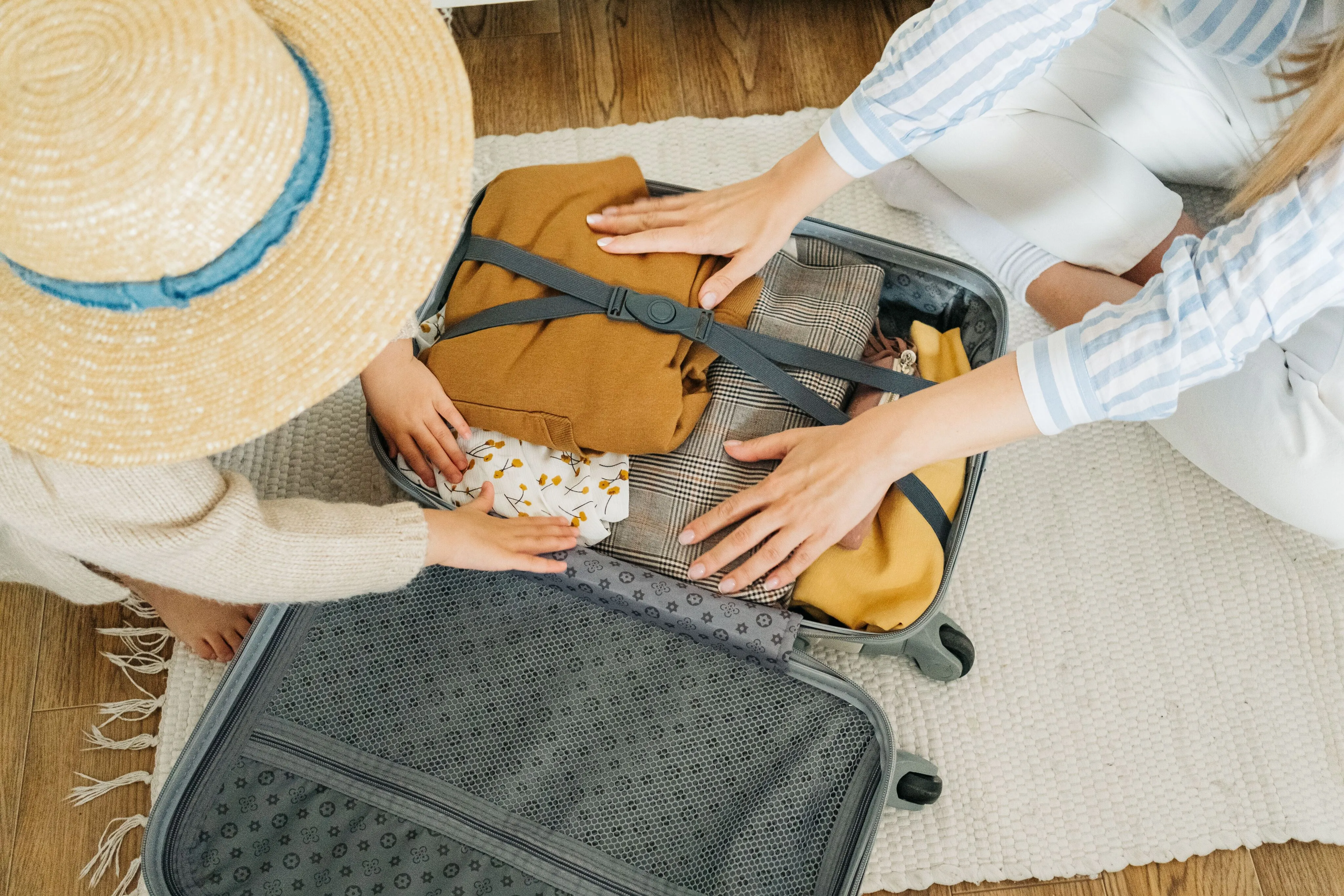
① Essential items you shouldn't forget
| Items | What to check |
|---|---|
| If visiting from overseas, check the validity period and entry requirements | |
| Confirm reservation date and time, and the flight/train you'll take | |
| Save the reservation number, address, and check-in time | |
| Have multiple payment methods available | |
| For maps, transit guidance, reservation confirmations, etc. | |
| Check connector types and compatible devices | |
| Bring enough of your regular and prescription medications for the duration | |
| Confirm coverage details and emergency contacts | |
| Check according to your nationality and travel conditions |
Pre-departure tips
Especially when traveling to Tokyo from overseas, prioritize checking your passport and entry documents. In addition to saving reservation information on your smartphone, prepare the necessary screens and documents in advance so you can view them even without an internet connection.
② Clothing and personal care items
Amenities such as towels and toothbrushes vary by hotel or accommodation. To avoid overpacking, check your lodging’s information before you prepare your items.
③ Items needed for transportation, communication, and payment
In Tokyo, you will often use trains and buses, so it’s convenient to confirm payment methods such as transit IC cards in advance. Available cards and purchase methods vary depending on services for inbound travelers, compatible devices, and the transportation operators you use.
If you want to learn more about how to use trains and buses in Tokyo and tips for getting around, be sure to check out the Gurutto Tokyo transport guide.
▶ Tokyo Transport Guide|How to get around by train and bus hereAlso, if you use maps or e-tickets on your smartphone, be mindful of running out of battery. In addition to bringing a power bank, charge your device before departure and don’t forget to prepare the appropriate cable.
10 useful items to have for a trip to Tokyo
An extra touch to make walking around and getting around more comfortable.
These items aren’t essential, but having them will make getting around and sightseeing during your trip more comfortable.
① Well-broken-in sneakers
Sightseeing in Tokyo can involve a lot of walking inside stations and around attractions. Choose well-broken-in sneakers to prevent blisters and foot fatigue.
② Power bank
Using map apps, route planners, the camera, and e-tickets can drain your smartphone quickly. Choose a capacity that matches your usage during the trip, and if you’re flying, check your airline’s latest carry-on regulations.
③ Folding umbrella
A lightweight folding umbrella is handy for sudden rain. A pouch for storing the wet umbrella also helps keep the items in your bag from getting wet.
④ Reusable shopping bag
Useful for souvenirs and other purchases. If you choose a type that folds up small, it won’t get in the way while you’re sightseeing.
⑤ Handkerchief and wet wipes
A useful item for snacking on the go and long outings. Keep one in your bag so you can wipe sweat or your hands when needed.
⑥ Clothing packing pouch
Separating and storing your change of clothes and underwear makes it easier to organize your belongings at the hotel. Packing for the trip home will also be smoother.
⑦ Gadget pouch
Keep small items like chargers, cables, and earphones together. This reduces tangled cords in your bag and the hassle of searching for what you need.
⑧ Plastic bags
Plastic bags are useful not only for storing wet umbrellas or clothing, but also for temporarily holding trash while sightseeing. In Tokyo, some places have few trash cans, and certain areas impose penalties for littering.
Don’t discard trash on the roadside; carry it in a bag and dispose of it properly in a trash can or at your accommodation.
⑨ Sunscreen, hat, and lip balm
For outdoor sightseeing, it’s important to protect against UV rays and dryness. Not only in summer—prepare according to the weather in spring and autumn as well.
⑩ Small shoulder bag
Convenient for keeping items you want to use right away—such as your wallet, smartphone, and transit IC card—together. Keeping them separate from large luggage makes it easier to access what you need while on the move.
By season|What to pack for a Tokyo trip
Prepare according to the climate of each season.
Tokyo’s temperature and precipitation vary by season. According to the 1991–2020 normals published by the Japan Meteorological Agency, Tokyo’s average monthly temperatures are 5.4℃ in January, 14.3℃ in April, 26.9℃ in August, and 18.0℃ in October. Actual temperatures vary by year and day, so check the latest weather forecast before you depart.
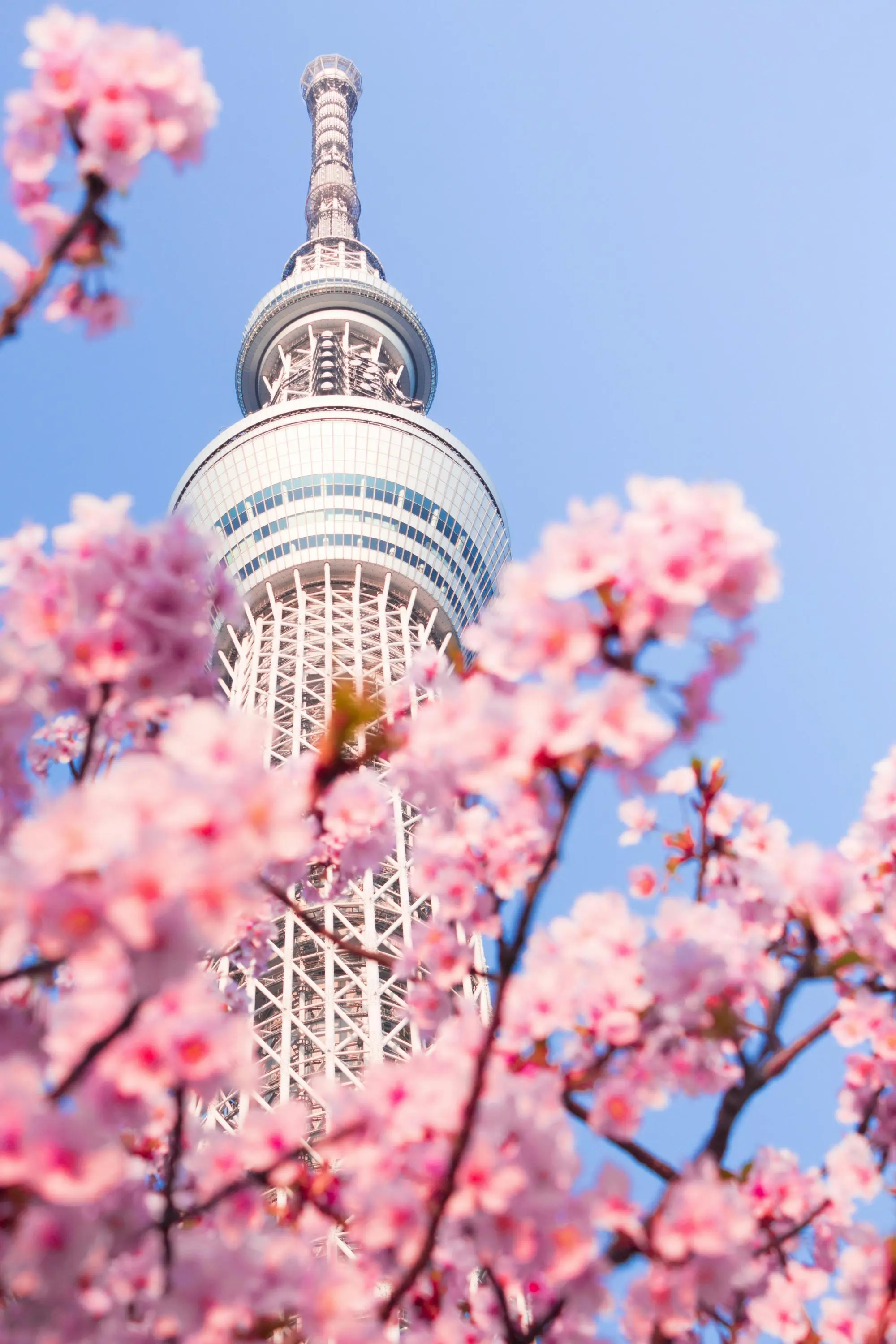 SPRING · 3–5
Spring|Temperature swings & pollen care
Layer light clothing to handle temperature changes.
What to bring
In spring, outfits that can handle the temperature difference between daytime and morning/evening are recommended. It’s easier to adjust by combining light outer layers than wearing one thick garment.
If you plan to visit cherry-blossom spots or parks, don’t forget comfortable walking shoes. If you have hay fever, bring the items you usually use for protection.
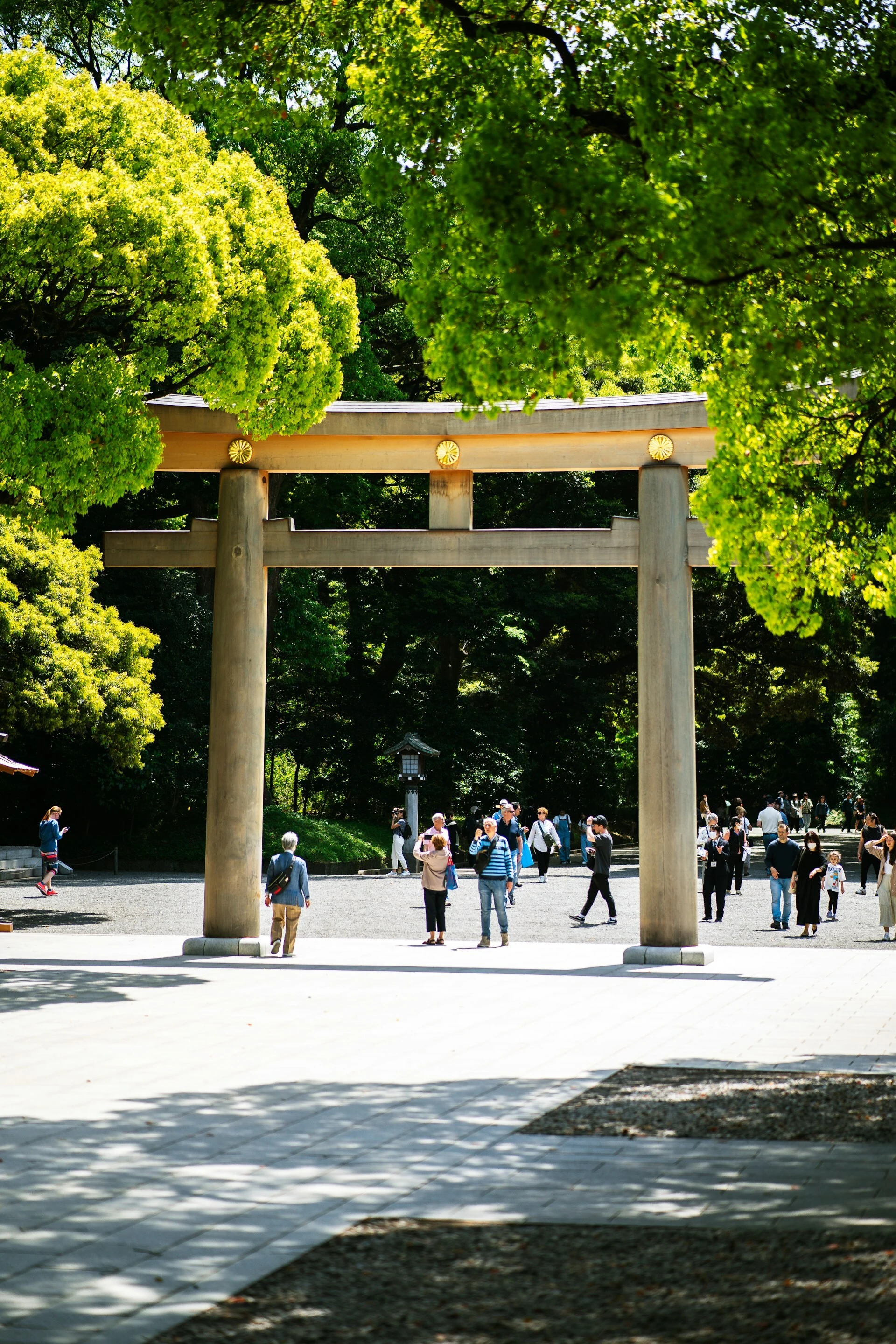 SUMMER · 6–8
Summer|Heat, humidity & A/C care
Be prepared for heat, sudden rain, and temperature differences between indoors and outdoors.
What to bring
Summers in Tokyo are hot and humid, so heat precautions are essential if you plan to sightsee outdoors for long periods. Hydrate frequently and take breaks in cool places during the hottest hours.
On the other hand, trains and commercial facilities can be strongly air-conditioned. Having a light cardigan or similar makes it easier to handle the temperature difference between indoors and outdoors.
 AUTUMN · 9–11
Autumn | Prepare for changing temperatures and rain
Be flexible from daytime heat to the chill of mornings and evenings.
Items to bring
September can still be hot, and it gradually cools from October to November. If you plan to see the autumn leaves, you’ll spend long periods outdoors, so a layer that’s easy to put on and take off is convenient.
Rainfall varies by month in autumn, so check the weather forecast just before your trip.
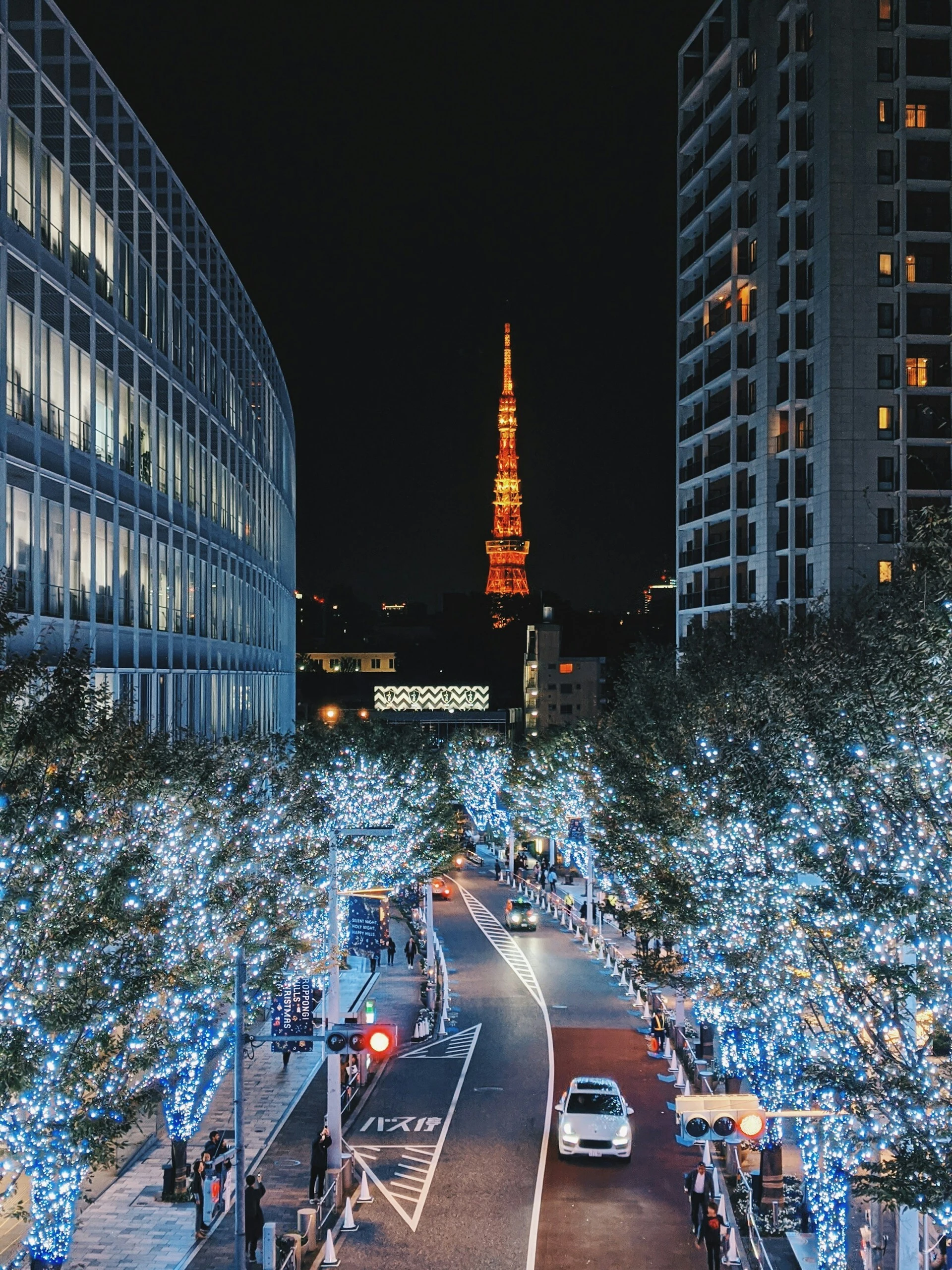 WINTER · 12–2
Winter | Cold and dryness protection
Be prepared for both the chilly outdoors and heated indoor spaces.
Items to bring
Winters are especially cold in the mornings and evenings, so if you plan to do outdoor sightseeing or enjoy night views, prepare cold-weather gear.
However, trains and commercial facilities may be well heated. Dress in layers so you can add or remove pieces as needed.
By trip length|How much luggage do you need?
Pack compactly to match the length of your trip.
The amount you need depends on the trip length and your plans. Here are general guidelines.
| Trip type | Packing tips |
|---|---|
| Day trip | Group essentials like wallet, smartphone, chargers, a drink, and rain gear in a small bag |
| 1 night, 2 days | Prepare only the necessary amount of a change of clothes, underwear, and toiletries |
| 2 nights, 3 days | Choose mix-and-match outfits and organize them with packing cubes |
| 3 nights or more | Adjust clothing volume considering laundry plans and accommodation facilities |
Even if your stay is longer, you don’t need to pack a completely separate outfit for every day. By combining mix-and-match pieces and checking your accommodation’s amenities and laundry facilities in advance, you can keep your luggage compact.
3 tips for packing compactly
- Choose clothing colors and designs that are easy to pair with multiple items
- Check your accommodation’s amenities and laundry facilities
- Separate small items into pouches to keep your bag organized
If you’re visiting theme parks or attending events, also confirm tickets, entry reservations, and any required items.
What you can buy in Tokyo and what to bring with you
Don’t overpack—bring only what you need, in the amount you need.
Overpacking out of worry about forgetting something can become a burden when moving through station stairs or crowded trains. Tokyo has convenience stores, drugstores, and clothing shops, so some daily necessities can be purchased locally.
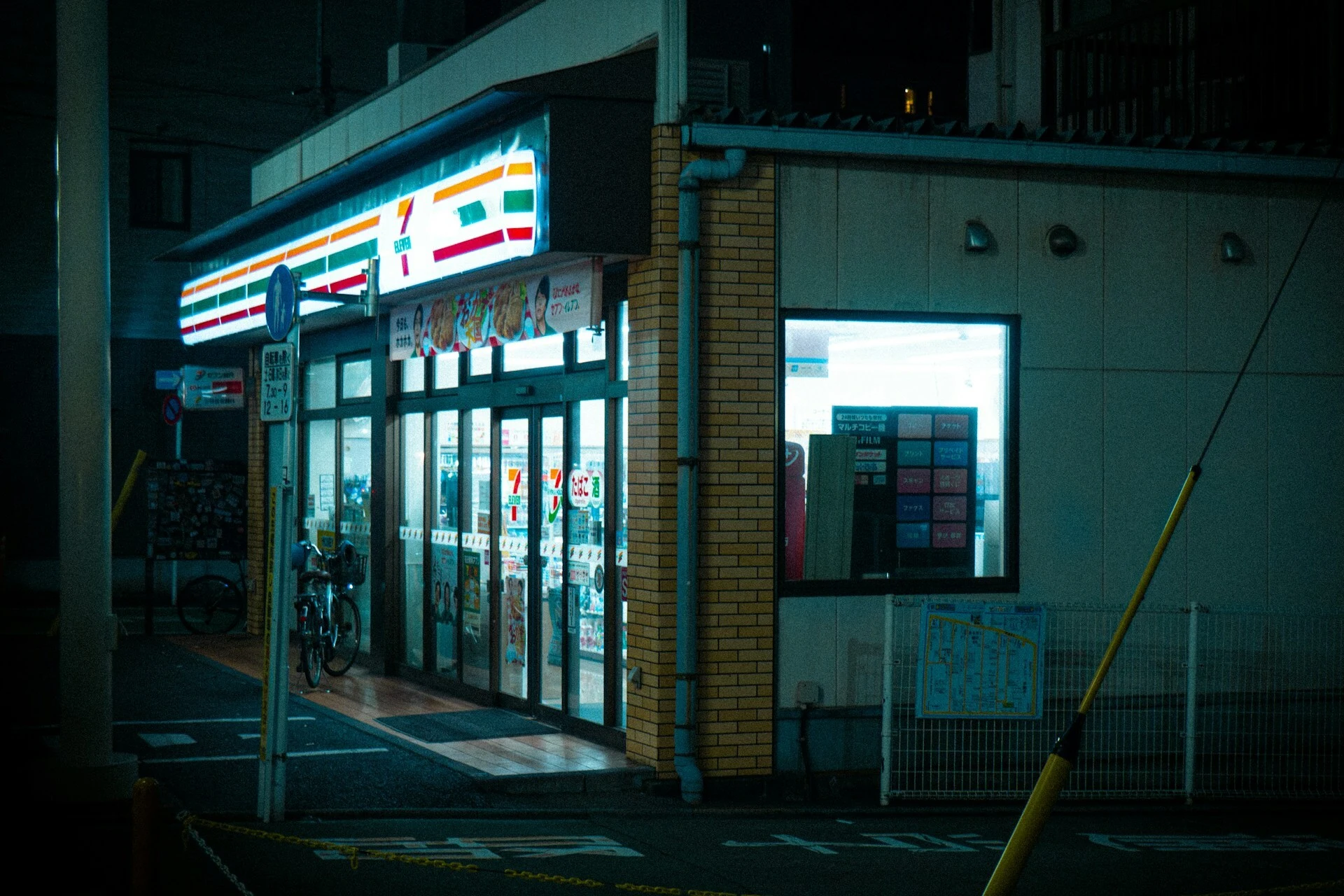
Items you can consider buying locally
- Tissues and wet wipes
- Common toiletries
- Clothing and socks
- Reusable shopping bag
- Drinks and light snacks
- Other daily necessities as needed
However, product selection, stock, and business hours vary by store. If you need a specific item, it’s reassuring to check in advance.
Items you should try not to forget to bring
- Passport and immigration documents
- Flight tickets and reservation details
- Regular medications and prescription drugs
- Essentials such as glasses and contact lenses
- Smartphone and charging accessories
- Travel insurance information
In particular, medicines may be subject to conditions on quantities or ingredients when bringing them into Japan. If you are bringing medication from overseas, please check the latest official guidance from the Ministry of Health, Labour and Welfare.
5 tips to check before departing for your Tokyo trip
Important points to confirm right before departure.
Tip 1:Charge your smartphone and power bank the day before
Even if you have a power bank, you can’t use it if it’s out of charge or you don’t have the right cable. The night before, charge your smartphone, power bank, earphones, camera, and more together.
Tip 2:Make your reservations accessible offline
Save hotel, flight, train, and attraction reservations so you can check them even without a connection. If needed, note down reservation numbers and addresses.
Tip 3:Check the weather forecast and make final outfit adjustments
Don’t choose your clothing based on the season alone—check the temperature and chance of precipitation right before departure. If rain is expected, it’s handy to add a folding umbrella and a spare pair of socks.
Tip 4:Organize your luggage into small pouches
Separating clothes, charging accessories, and toiletries into pouches lets you grab what you need quickly. Preparing a bag for used clothing also makes packing for the return trip smoother.
Tip 5: Check disaster information and emergency contacts
In Japan, it is also important to prepare for disasters such as earthquakes and heavy rain. Check the Tokyo Metropolitan Government’s disaster-prevention information and the evacuation guidance at your accommodation. Disaster information for foreign travelers is also available.
Frequently asked questions about what to pack for a Tokyo trip (FAQ)
Seven questions to answer before you start packing.
Q1.What are the minimum essentials to bring for a trip to Tokyo?
If traveling from overseas, the basics include your passport, flight tickets and reservation details, means of payment, smartphone, charger, and any necessary medication. For domestic trips as well, don’t forget to prepare identification documents, reservation details, payment methods, and your smartphone.
Q2.Should I bring cash for a trip to Tokyo?
Credit cards and digital payments are accepted in many places, but not all stores and services accept the same methods. It’s reassuring to carry a small amount of cash and have multiple payment options available.
Q3.Do I need a transportation IC card for a trip to Tokyo?
If you plan to use trains or buses, having a transportation IC card or another compatible payment method is convenient. However, available cards and purchase methods vary by service, device, and transport operator. Check the usage conditions before your trip.
Q4.Should I bring an umbrella for a trip to Tokyo?
It depends on the weather, but a folding umbrella makes it easier to cope with sudden rain. Especially if you have many outdoor activities or there’s a chance of rain, consider bringing one.
Q5.Do you have any tips for packing light for a Tokyo trip?
Choose versatile, mix-and-match clothing and check your accommodation’s amenities in advance. Avoid bringing more daily necessities than necessary if they can be purchased locally, and organize clothes and electronics into separate pouches to make your luggage easier to manage.
Q6.Are there any precautions when bringing medication into Japan?
Requirements for bringing medicines vary depending on the type, quantity, and ingredients. If you are carrying prescription drugs or medicines containing regulated substances, check the Ministry of Health, Labour and Welfare’s official information in advance and complete any necessary procedures.
Q7.Can I bring a power bank on the plane?
Power banks are subject to airline and flight regulations for carriage and in-flight handling. Check limits such as capacity and quantity before departure and follow the latest guidance.
Summary|Check your packing list and enjoy a comfortable trip to Tokyo!
For a Tokyo trip, first check essentials such as your passport, reservation details, payment methods, and smartphone, and prepare according to the season, length of stay, and sightseeing plans.
In spring, watch out for pollen and temperature swings; in summer, heat and rain; in autumn, shifting temperatures; and in winter, cold and dryness. Comfortable walking shoes, a power bank, and a foldable umbrella are also handy.
Check what daily necessities are provided at your accommodation or can be purchased locally, and pack only what you need to reduce luggage. Before departure, also review the weather forecast, airline regulations, and requirements for bringing medicines.
Prepare well and enjoy Tokyo’s food, shopping, culture, and sightseeing to the fullest!