Sento Hopping in Tokyo|Bath Culture Spots Where You Can Also Enjoy Saunas
2026.07.16
TOKYO SENTO GUIDE
Sento-hopping in Tokyo
From timeless bathing culture to casual sauna time at sento.
Discover local bath-hopping spots in Tokyo you can easily drop into.
Tokyo offers a bathing culture you can enjoy casually, from sento that preserve traditional noren curtains and tile murals to those equipped with saunas and cold baths. You can pop in between sightseeing, rinse off after work, or visit on weekends alongside a stroll through the old downtown—sento are a distinctly local Tokyo experience. In this feature, we explain easy-to-understand bathing etiquette and what to bring, highlight points to check before your visit, and round up sento spots worth stopping by in Tokyo.
Why sento-hopping in Tokyo is fun
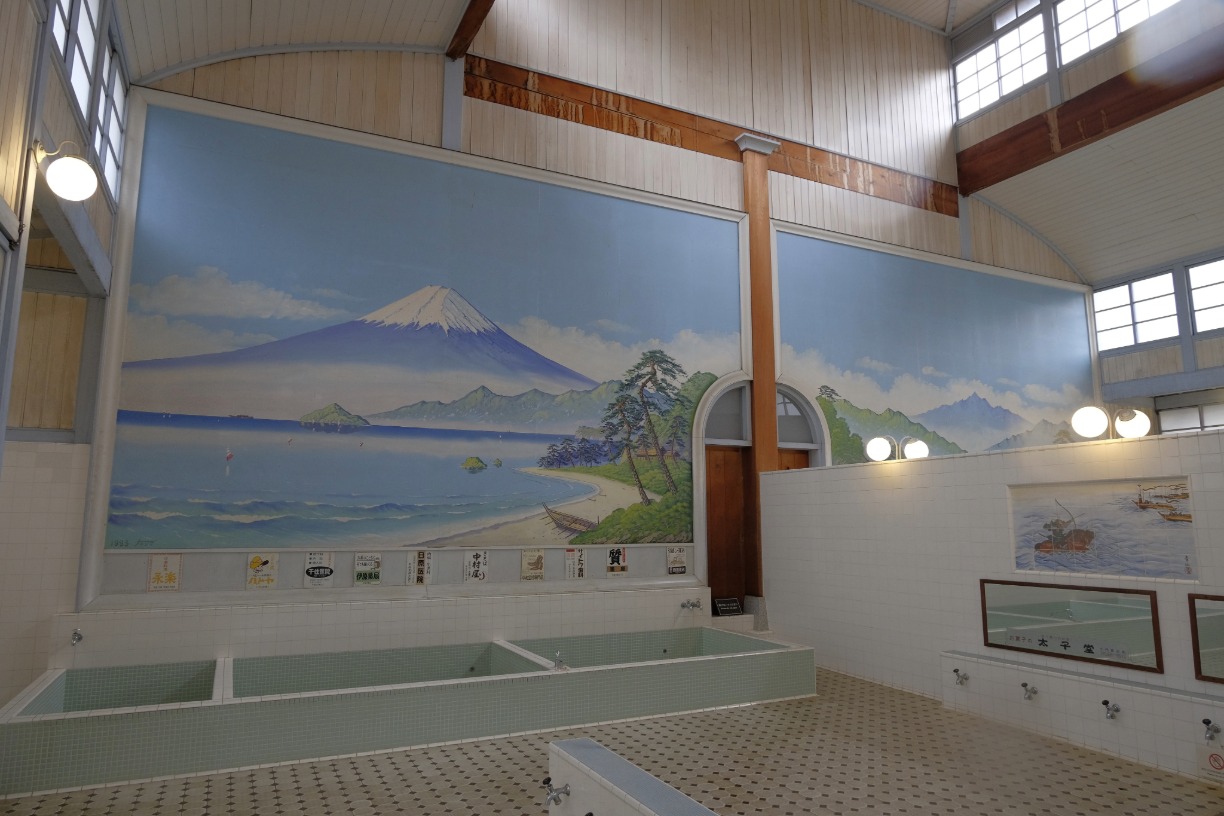
Sento have a long history as community-rooted public bathhouses. In Tokyo, long-established sento dating back to the Meiji and Taisho eras are still operating, and the classic spaces—high ceilings, hand-painted Mount Fuji murals, blue-and-white tiles, and wooden changing shelves—captivate many as a touch of the extraordinary in everyday life.
For travelers, they offer a chance to experience local daily life you won’t find in a hotel bathroom. For Tokyo residents, they are places to stretch out in a spacious tub unlike the one at home, becoming an after-work or weekend habit for many. In old downtown areas such as Asakusa, Ueno, Kitasenju, and Oshiage, sento are clustered together, making routes that combine a stroll with a soak especially popular.
In recent years, more sento have added saunas and cold plunge baths. The sauna has become established as one of the elements you can enjoy at a sento, and since many facilities let you use it for a small surcharge on the bathing fee, the environment is welcoming even for first-time sauna users.
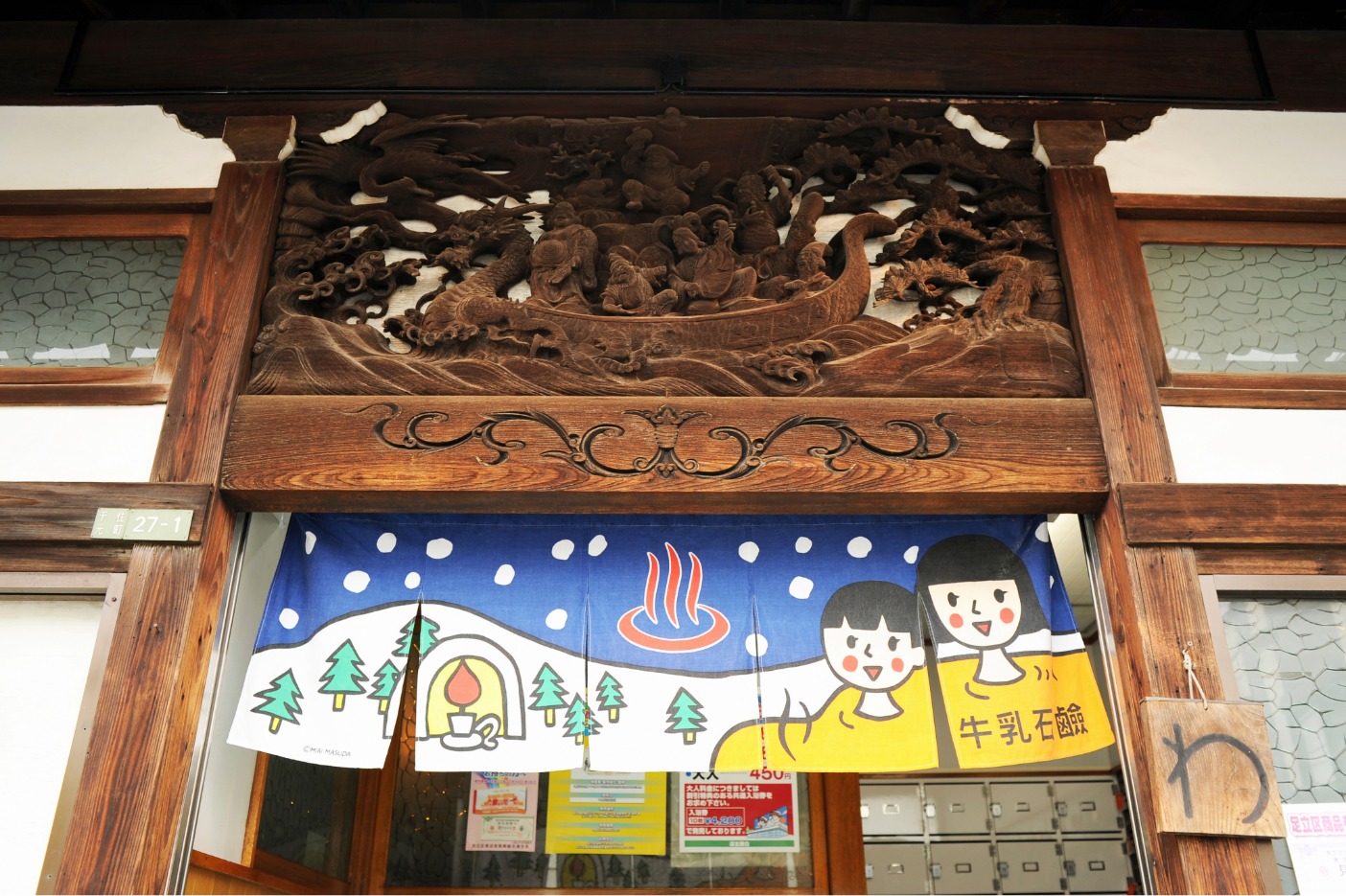
A sento noren remaining in the old downtown neighborhoods
No worries even on your first visit: how to use a sento and basic etiquette
A sento is a public bath. Even on your first visit, knowing the basic etiquette will let you bathe with confidence. Below is the general flow and key points to keep in mind.
1Pay at reception.In Tokyo, the standard bathing fee is 550 yen for adults (as of 2024). Sauna use may incur an additional charge.
2Undress in the changing room and place valuables in a locker.Photography in the changing room is strictly prohibited.
3Wash your body before entering the bath.Either rinse off at the washing area or shower before getting into the tub. This is basic sento etiquette.
4Do not put towels in the bath.Keep your tenugui or towel outside the tub or place it on your head.
5Refrain from taking photos in the bathing area.To protect others’ privacy, do not take photos in the bath or changing rooms.
6Be considerate during busy times.If the washing area or bath is crowded, use them with consideration for others.
What to bring
It’s standard to bring your own towel, soap, and shampoo, but many sento also sell or rent these items. As more places allow drop-in visits empty-handed, it’s a good idea to check the official website in advance.
Enjoy an easygoing sauna time at the sento
Among Tokyo's public baths, many have facilities with saunas and cold-water baths. Unlike spa facilities, saunas at sento are often available by adding a small fee to the bathing charge, making them easy to try. Even for those wanting to try a sauna for the first time, the sento sauna is one of the more accessible options.
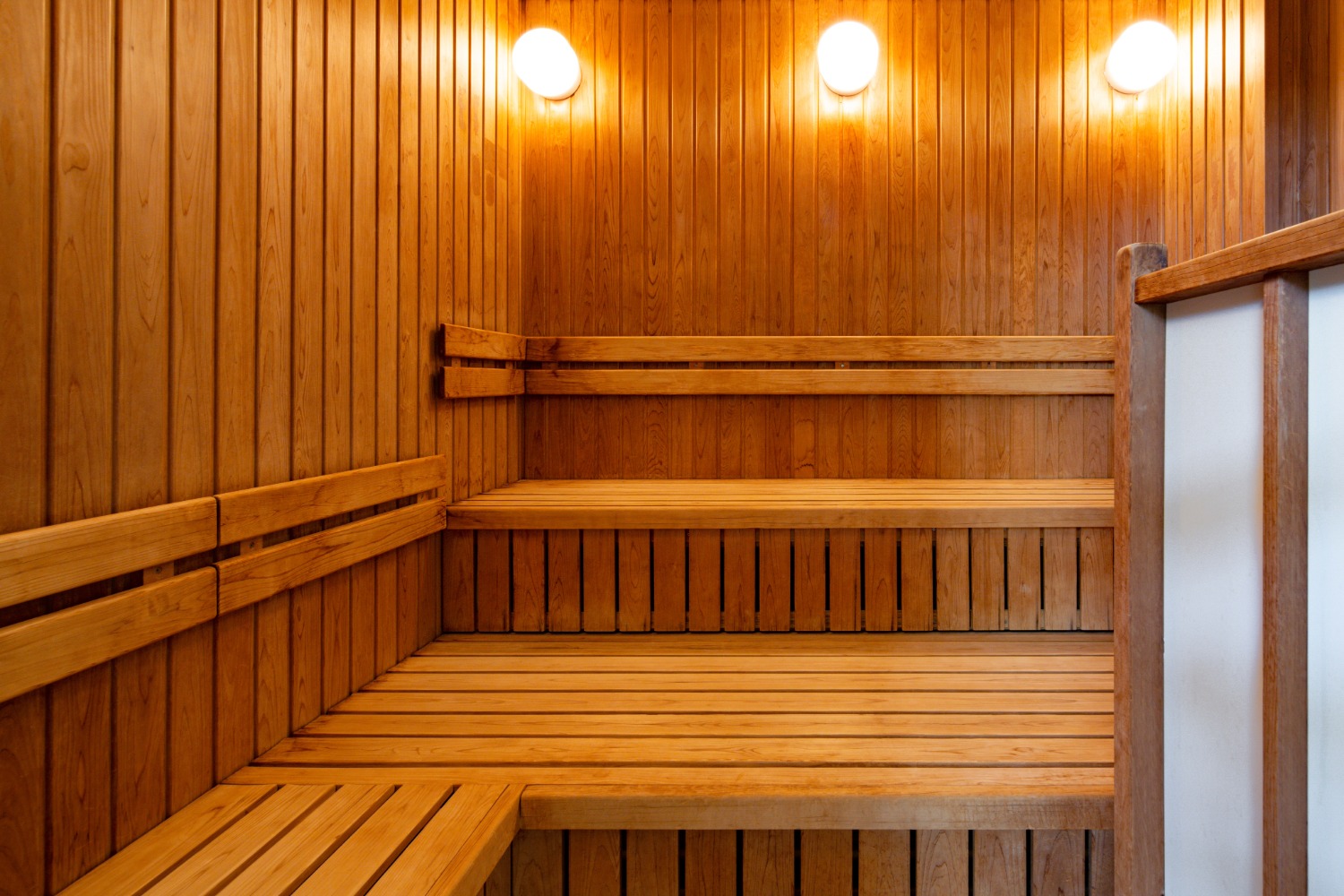
A sauna room with the warmth of wood
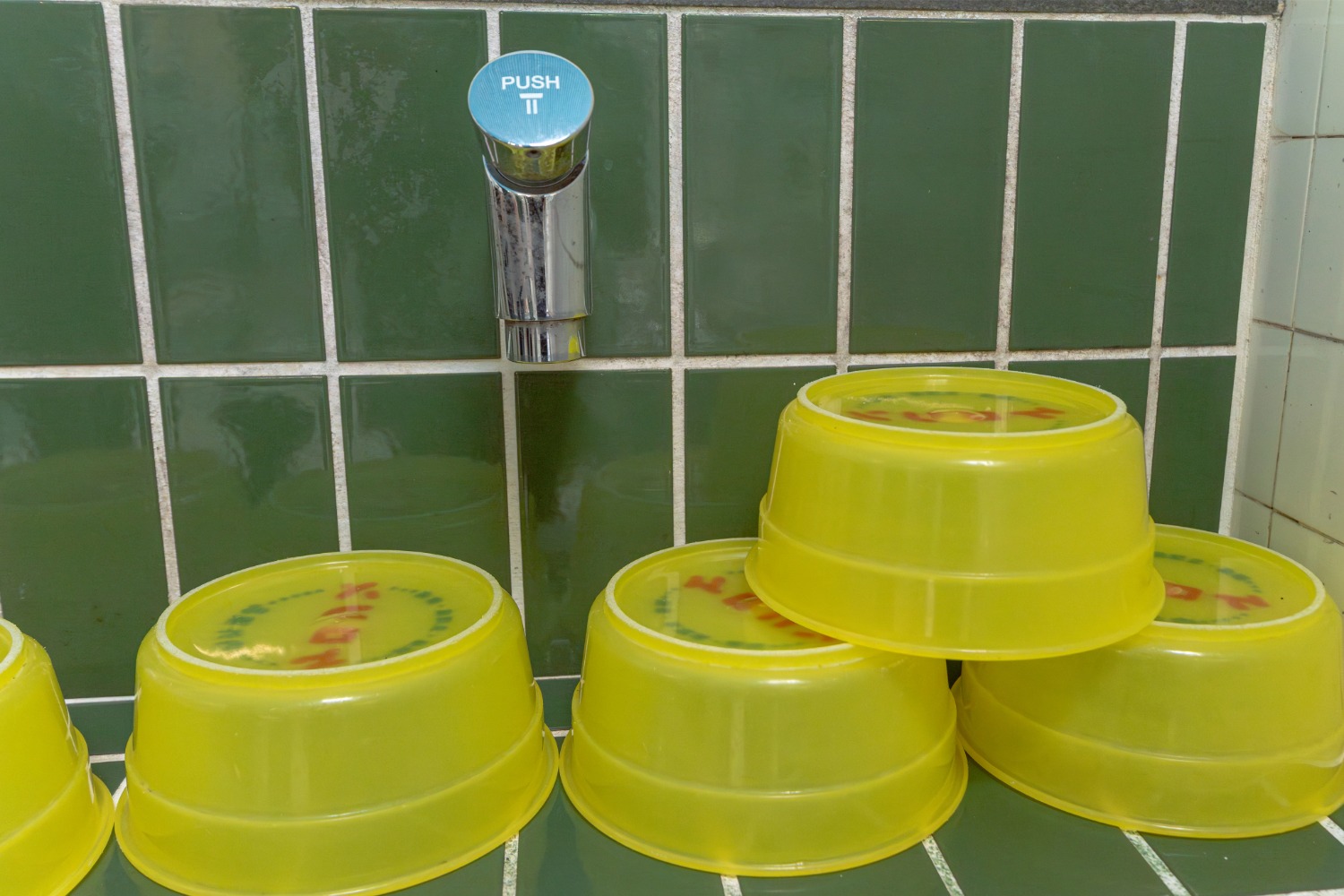
The familiar yellow wash basin at sento
When using the sauna, wash your body before entering the sauna room, just as you would before bathing. Before getting into the cold bath, rinse off your sweat thoroughly, and keep quiet while inside the sauna - it's proper etiquette. If it's your first time, don't overdo it; start with short sessions.
Basics for using the sauna
Saunas may require an additional fee separate from the bathing charge. Some facilities may also require a sauna-specific towel. Check the fees and any required items before you use the sauna.
Points to check before your visit
Facilities and rules vary by sento. If it's your first visit, checking the following items in advance will help your visit go smoothly.
Towel
Towel rental/sales availability
Amenities
Availability of shampoo and body soap
Sauna
Sauna fees and conditions
Payment
Cash and cashless options
Hours
Business hours and regular closing days
Tattoo
Tattoo policy (varies by facility)
Children
Accompanied children and age restrictions
Crowd
Peak hours
Sento spots to drop by in Tokyo
From long-standing bathhouses that preserve old downtown charm to renewed sento with fully equipped saunas, we introduce 10 distinctive sento across Tokyo. Choose one that suits your purpose and area. Note that hours, prices, and closing days may change. Please check the official website before visiting.
Sento with a classic, nostalgic atmosphere
1燕湯
台東区・上野御徒町
Retro
A long-established sento in the 上野御徒町 area that preserves early-Showa architectural style. The bath hall, with its high ceiling and painted Mt. Fuji mural, lets you experience Showa-era sento culture as it is. Open from 6:00 a.m., it’s convenient for an early-morning bath, and it’s also suitable as a stop combined with sightseeing in the 上野・御徒町 area.
A long-established sento in Kitasenju that has been operating since 1927 (Showa 2). The tiled-roof building and the Japanese garden spreading across the grounds are its hallmarks; you can relax on the veranda while watching the pond where nishikigoi swim and the seasonal flowers and plants. The after-bath time on the veranda—often called the 'King of the Veranda'—is an experience unique to this place. The women's bath is equipped with a sauna, and the men's and women's sides switch every Wednesday.
A building-type sento among the largest in Tokyo, located about a 3-minute walk from Uguisudani Station. Spanning four floors, it offers a rich range of facilities including a carbonated bath, open-air rock bath, sauna, and a daily medicinal bath. The men's side features a high-temperature bath and a large cold plunge, while the women's side has a salt sauna, letting you fully enjoy the sauna experience at a sento. At the 2nd-floor eatery 「こもれび」, you can enjoy meals and drinks after your bath.
A long-established sento founded in 1932 (Showa 7) was reborn as a refined space with a 2020 renovation. It features an auto-löyly sauna for men using domestic hiba wood and bakuhanseki, and a self-löyly sauna for women made with domestic hinoki, earning high praise from sauna enthusiasts. At the 「番台バー」 next to the front desk, you can enjoy craft beer and non-alcoholic drinks and take your time relaxing after your bath.
An established sento founded in Taisho 5 (1916) was reborn as a designer sento after a major renovation in 2018. Its convenient access within walking distance from Shibuya and Ebisu Stations is also appealing. The black-themed bath area features an illuminated painted mural, and facilities are well-equipped, including a sauna with automatic löyly and soft-water baths. High-performance hair dryers and amenities for purchase are available, making it an easy place to stop by after sightseeing in the city center.
A sento founded in Showa 24 (1949) located right by Tokyo Skytree. The bath, with a modern Japanese ambiance, features a painted mural of Mt. Fuji, and from the large open-air bath you can view both the sento’s chimney and Tokyo Skytree. In addition to a far-infrared sauna, it also offers a steam salt sauna—rare for a sento. An ideal location to visit together with sightseeing around the Skytree.
A sento founded in 1947 (Showa 22) was renovated into a five-story building in 2015. You can enjoy natural black hot spring water flowing directly from the source. The 4th floor has a cave-like atmosphere, while the 5th floor offers an open, airy space, letting you enjoy a different mood on each floor. From the semi-open-air baths on both floors you can see the Tokyo Skytree, and with features like a mural of Mt. Fuji inspired by Katsushika Hokusai’s ukiyo-e, it’s a sento full of highlights for art lovers.
A long-established public bath founded in the Meiji era, ideally located about a 2-minute walk from Omotesando Station. After a 2008 renovation, it was reborn as a clean, urban-style sento. Soft water is used throughout the facility, and there are a variety of baths including a high-concentration carbonated bath, silk bath, and jet bath. With towel rentals and amenities available for purchase, you can stop by empty-handed, making it convenient after sightseeing or shopping in the Omotesando/Aoyama area.
A sento tucked away in a back alley about a 5-minute walk from Shin-Okubo Station, based on the concept of a “hidden bath in the heart of the city.” Passing through the torii-style gate reveals a Japanese space rich in wood accents. Crane-themed tile art and shoji windows create a retro atmosphere, and you can enjoy heated soft-water baths, an electric bath, and a silk bath. Face towels are available free of charge, so it’s easy to visit even empty-handed.
About an 11-minute walk from Minowa Station, this sento sits along a shopping street brimming with old-town charm. A hallmark is that natural hot spring water is used not only in the tubs but also for the showers and faucets. Unique facilities include the signature “Donburi-yu” cauldron bath and an open-air bath featuring nano fine bubbles. A sauna is also available, offering an authentic experience with a stove by the Finnish sauna brand Helo.
Sento pair perfectly with walks around Tokyo. After your bath, you can stroll through old-town shopping streets or take a break in a nearby park and enjoy a walking route inspired by a visit to a sento.
◎Snack your way through the shopping streets.In areas with many sento, such as Minowa, Kitasenju, and Togoshi-Ginza, lively shopping streets are right nearby. Enjoy deli foods and light bites after your bath.
◎Pair it with a stroll through the old downtown.The Asakusa, Ueno, Oshiage, and Mukojima areas have public baths close to sightseeing spots, with many that are easy to stop by during a walk.
◎Take a break at a cafe or coffee shop.Coffee or sweets after a bath are exceptional. Many areas near public baths still have old-fashioned coffee shops.
◎Make it part of your after-work refresh routine.There are many public baths within walking distance of major terminal stations like Shibuya, Omotesando, and Kinshicho, so you can stop by after work as part of your routine on the way home.
Frequently Asked Questions
Q. Can I go to a public bath without bringing anything?
It varies by facility, but many sell or rent towels and shampoo. Some facilities indicate "OK to come empty-handed," so checking the official website in advance is reassuring.
Q. Do you wear a swimsuit at a public bath?
At typical public baths, you bathe without wearing a swimsuit. Please follow the guidance of each facility.
Q. Is the sauna a separate fee?
At some public baths, a sauna fee is required in addition to the bathing fee. As pricing varies by facility, we recommend checking before your visit.
Q. Can I use it if I have tattoos?
Policies vary by facility. Some establishments refuse bathing due to tattoos, so we recommend checking the official website or contacting the venue before your visit.
Q. Can I use it with children?
Many facilities allow it, but age limits, the age for mixed bathing, and sauna usage conditions vary by facility. If you are bringing small children, we recommend checking with the facility in advance.
The information listed is current as of the time of research. Business hours, fees, and closing days are subject to change. Please check each facility's official website before visiting.
This website uses cookies and Google Tag Manager to analyze usage and improve our services.You can choose to allow or reject non-essential cookies.For more information, please see our Privacy Policy.