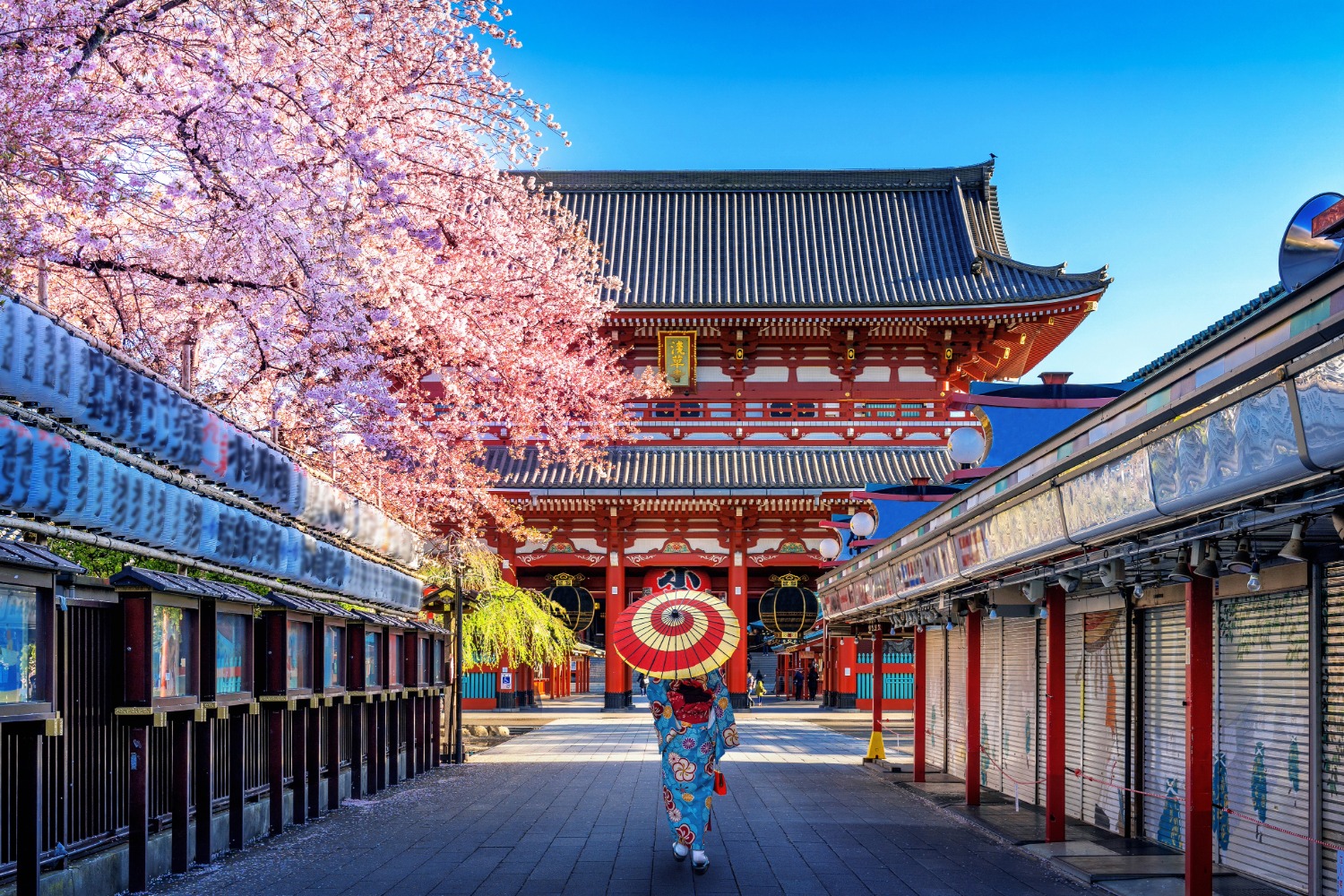
Experience Traditional Performing Arts in Tokyo|How to Enjoy Kabuki, Noh Theater, Rakugo, and Japanese Dance
2026.06.05
Experience traditional performing arts in Tokyo
Kabuki, Noh, Rakugo, and Japanese dance.
We introduce gateways to Japanese culture you can enjoy alongside exploring Tokyo.
Tokyo offers numerous places to enjoy traditional performing arts, from stage performances and casual yose experiences to cultural classes where you can learn Japanese etiquette and movement. Even if the field seems a bit difficult for first-timers, knowing how to choose makes it easier to include in your itinerary.
In this article, focusing on Kabuki, Noh, Rakugo, and Japanese dance, we clearly introduce each genre’s appeal, spots to visit in Tokyo, and ways to enjoy them combined with city strolls.
TRADITIONAL ARTS IN TOKYO
Stage glamour,the warmth of yose,and Japanese refinement in Tokyo.
Alongside motifs that evoke fans, lanterns, and stage curtains, we gently guide you to the gateways of traditional performing arts you can encounter in Tokyo.
SECTION 01How to choose traditional performing arts to enjoy in Tokyo
If you are experiencing traditional performing arts for the first time, it is better to choose based on the kind of atmosphere you want to enjoy rather than starting with detailed knowledge. If you want to savor the glamour of the stage, choose Kabuki; if you want to engage with classical arts in a quiet space, choose Noh or Kyogen; if you want to casually enjoy laughter and spoken arts, Rakugo is a good entry point.
If you want to move your body yourself, workshops in Japanese dance and cultural experiences are also suitable. Choosing options you can enjoy within a comfortable timeframe while combining them with sightseeing and dining will make your stay in Tokyo even more memorable.
KABUKI
Kabuki
A performing art rich in visual highlights—costumes, makeup, stage props, and music—so even first-timers can easily feel the splendor of the stage.
NOH
Noh & Kyogen
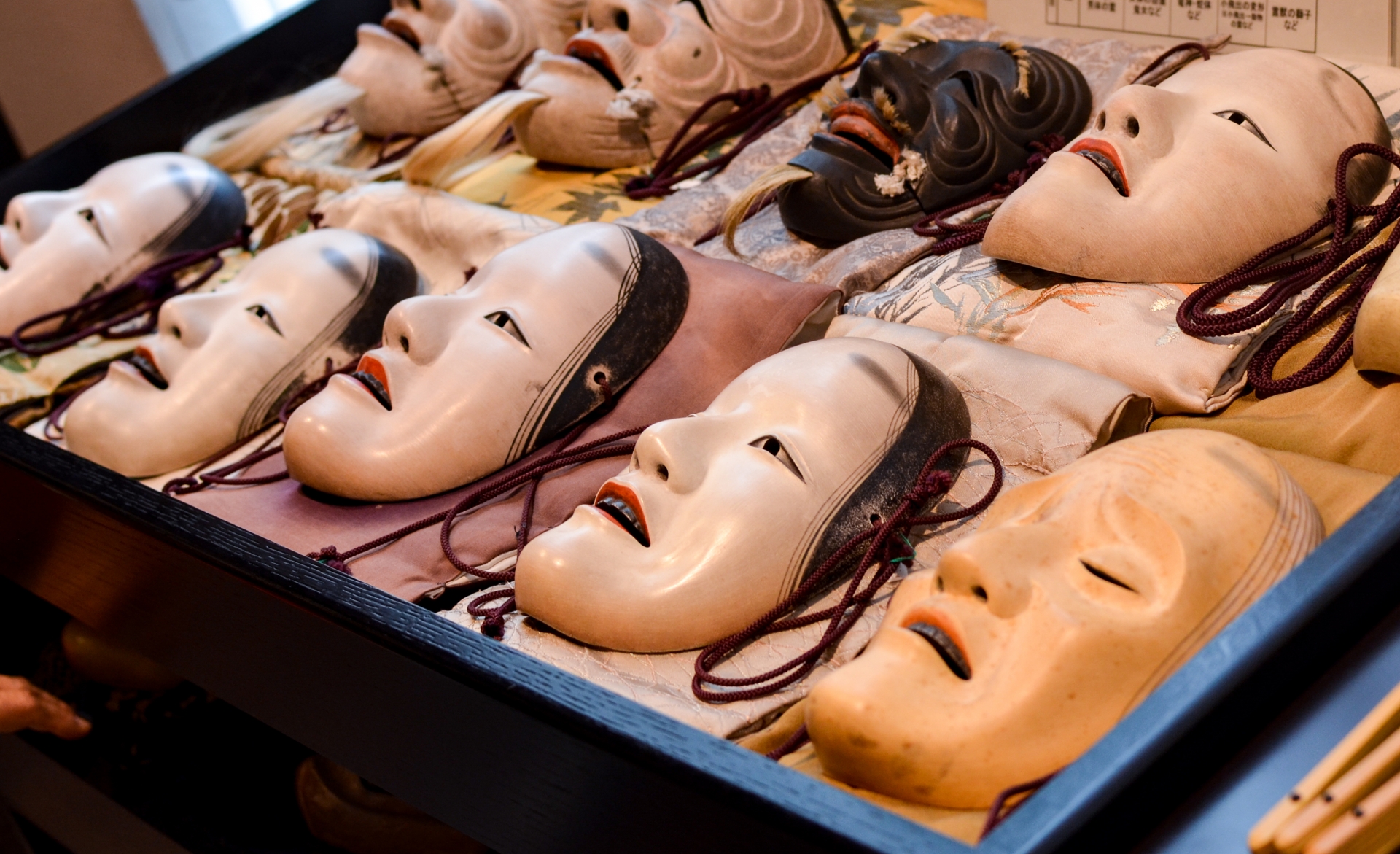
Characterized by tranquil expression through masks, costumes, chant, and dance. Choosing a performance with commentary makes it easier to enter its world.
RAKUGO
Rakugo
A storytelling art in which a single performer acts out a tale using voice and gestures. Enjoy the atmosphere of the yose theater as well—a quintessential Tokyo cultural experience.
EXPERIENCE
Japanese Dance・Cultural Experiences
Encounter Japanese bodily expression that you can’t grasp from watching alone—kimono etiquette, handling a fan, and dance movements.
SECTION 02Kabuki|Enjoy lavish stage production
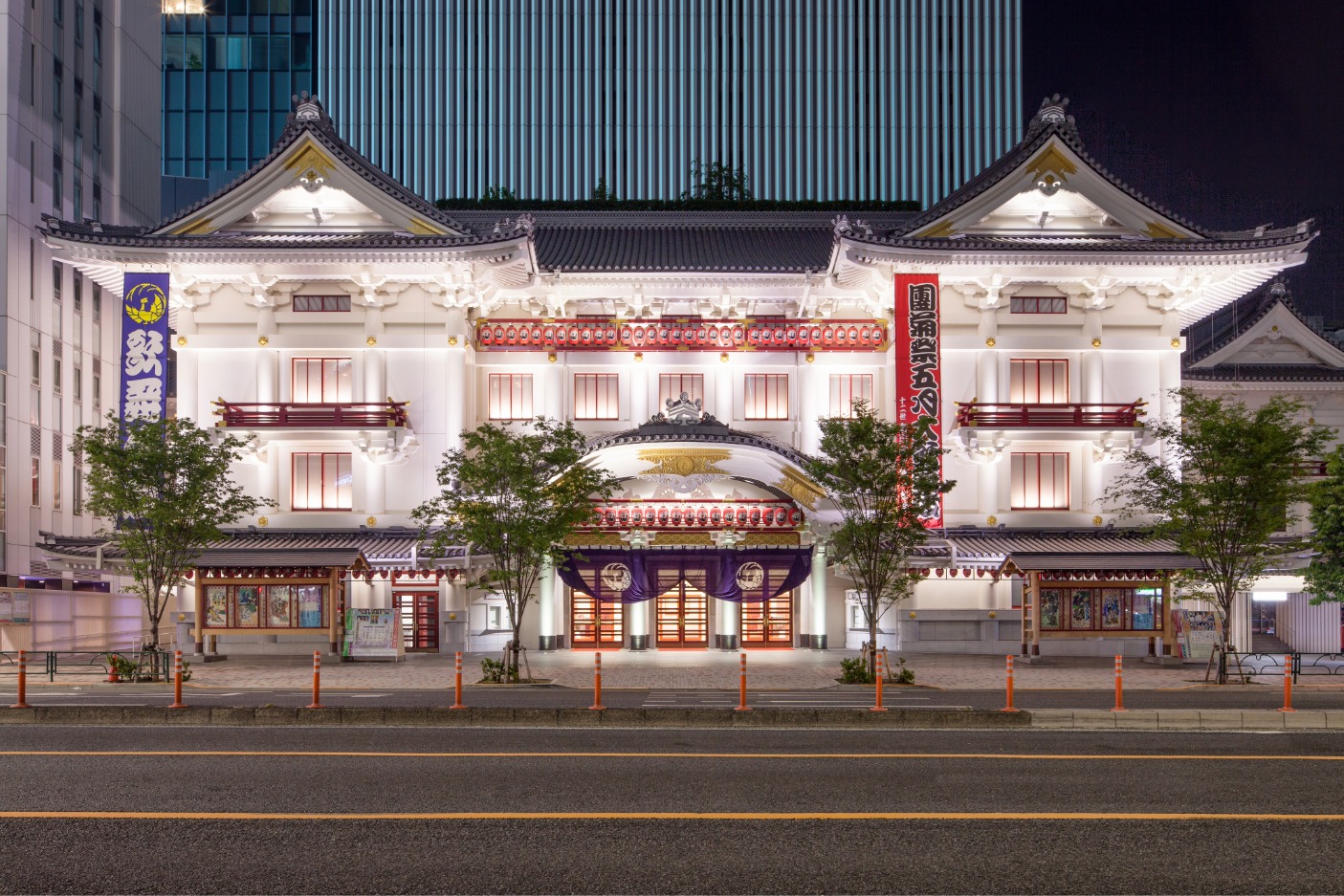
Kabuki is a stage art that integrates vivid costumes, distinctive makeup, music, elaborate sets, and the actors’ mie poses. Even without fully understanding the story, you can visually enjoy the overall splendor of the stage and the actors’ commanding presence.
To experience Kabuki in Tokyo, the area around Kabukiza in Higashi-Ginza is the classic choice. In addition to attending a performance, you can enjoy the building’s exterior, related shops, and a stroll through nearby Ginza.
Dazzling stage
Pairs well with Ginza sightseeing
Easy for first-timers to grasp the highlights
Main spots
Kabukiza Theatre
Japan’s premier theater dedicated to Kabuki. If you plan to attend, it’s advisable to check the program, running time, and ticket availability in advance.
Address:
東京都中央区銀座4-12-15
Access:
Around Higashi-ginza Station
What to check:
Performance schedule, tickets, subtitles/audio guides, etc.
SECTION 03Noh and Kyogen|Experience the beauty of stillness and refined movement
Noh is a classical performing art that expresses stories through masks and costumes, chanting, dance, and musical accompaniment. Rather than large movements, it can be enjoyed as an experience of savoring the tension found within unhurried gestures and quietude.
Kyogen, developed alongside Noh, also includes pieces with elements of dialogue and humor. If it’s your first time, choosing a performance with explanations or a shorter program makes it easier to enter its world.
Striking Noh masks and costumes
Serene stage space
Pairs well with performances that include explanations
Main spots
National Noh Theatre
A national theater where you can watch Noh and Kyogen performances. Located in the Sendagaya area, it’s well positioned to combine with strolls around Meiji Jingu Gaien or toward Shinjuku.
Address:
東京都渋谷区千駄ヶ谷4-18-1
Access:
Around Sendagaya Station and Kokuritsu-kyogijo Station
What to check:
Hosted performances, tickets, exhibitions, accessibility information, etc.
A Noh theater located in the basement of GINZA SIX. Because you can experience authentic Noh right in the heart of Ginza, it’s well suited to a cultural outing combined with dining and shopping.
Location:
東京都中央区銀座6-10-1 GINZA SIX B3F
Access:
Around Ginza Station
What to check:
Performance schedule, tickets, venue information, etc.
SECTION 04Rakugo | Enjoy Japan’s storytelling art and yose culture
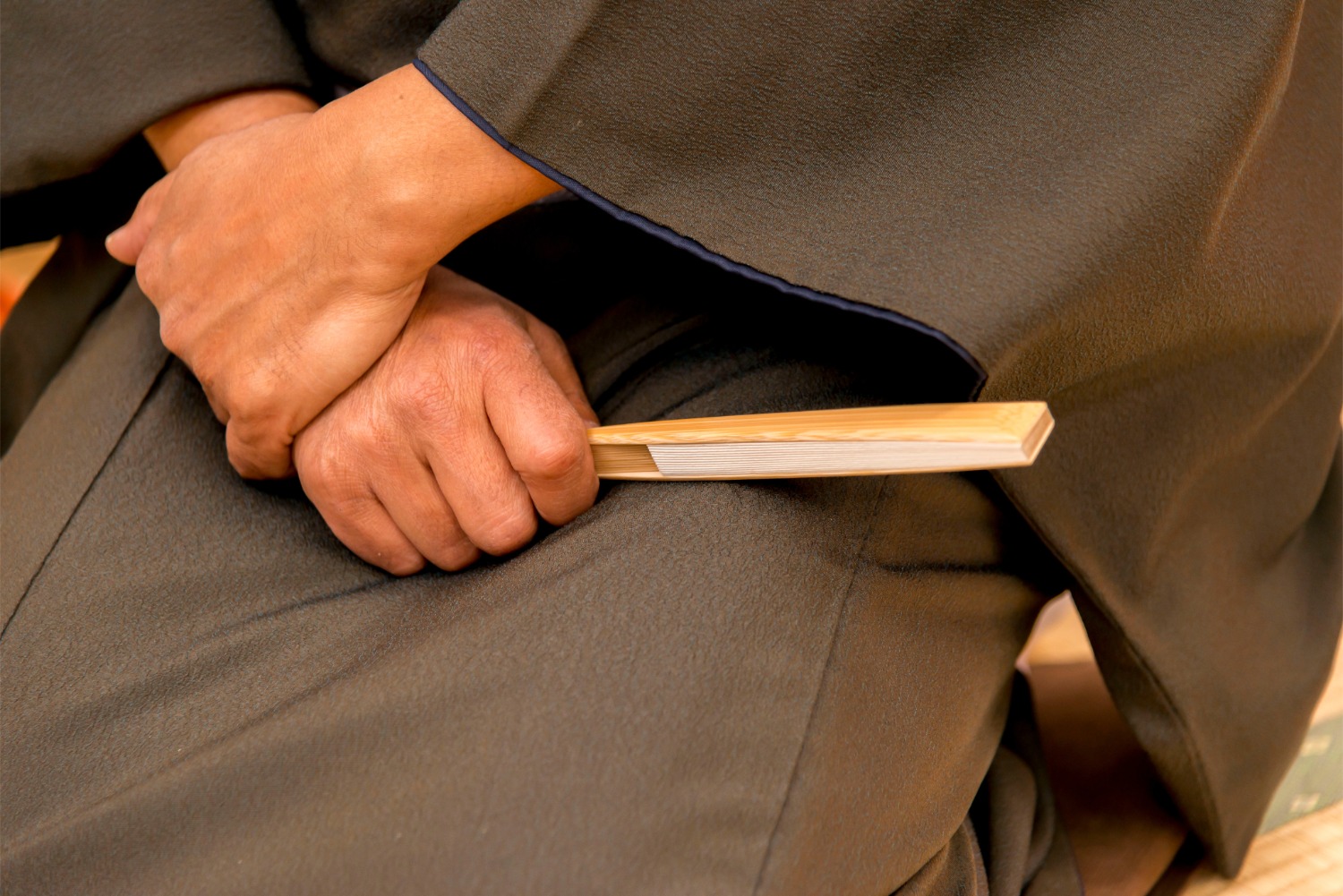
Rakugo is a storytelling art in which a single performer sits on a cushion and enacts stories using vocal modulation, facial expressions, and simple props like a fan and a hand towel. Without elaborate stage sets, scenes and characters are expressed solely through the performer’s skill.
At yose theaters, in addition to rakugo, there may also be manzai, magic, paper cutting, and acrobatics. Many theaters are rooted in neighborhoods such as Asakusa, Ueno, and Shinjuku, making them easy to drop by before or after sightseeing or meals.
Experience the atmosphere of a yose
Easy to combine with a stroll around town
Enjoy other performances beyond rakugo
Main spots
浅草演芸ホール
A yose that pairs well with sightseeing in Asakusa. Centered on rakugo, it offers a wide range of acts such as manzai, magic, and acrobatics, making it suitable for first-time visitors as well.
Location:
東京都台東区浅草1-43-12
Access:
Around Asakusa Station (Tsukuba Express) and Tawaramachi Station
A theater where you can experience yose culture in the Ueno area. Combine it with strolls around Ueno Park, Ameyoko, and Okachimachi to feel Tokyo’s traditional downtown culture.
Although located in the heart of Shinjuku, this performance venue preserves the traditional atmosphere of a yose theater. It’s easy to combine with evening plans and leaves a lasting impression as a cultural spot in Tokyo.
Location:
東京都新宿区新宿3-6-12
Access:
Around Shinjuku-sanchome Station
What to check:
Regular programs, special performances, admission information, etc.
SECTION 05Japanese Dance and Cultural Experiences | Learn Traditional Japanese Movements
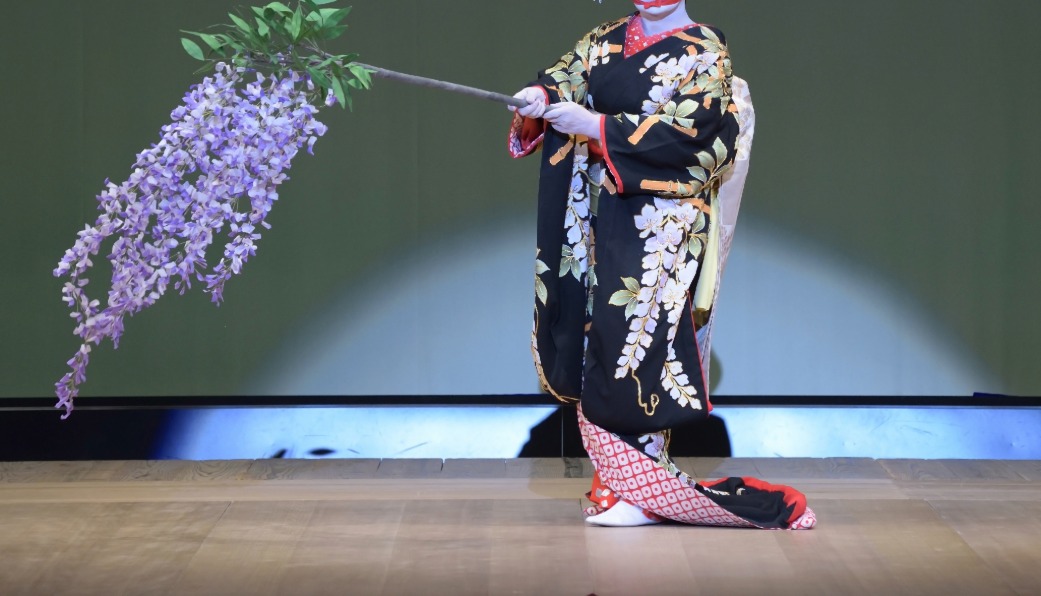
Nihon-buyo is a performing art that, with kimono, fan and hand movements, and footwork, expresses stories and scenes. In addition to enjoying stage performances, there are sometimes beginner-friendly trial lessons and cultural lectures.
If a full-fledged stage performance feels a bit daunting, you can start with workshops that you can join for a short time. Programs that let you experience etiquette, posture, how to use a fan, and simple stage expressions make it easy for first-timers to participate.
Learn traditional Japanese movements
Try using a folding fan
Works well as a short experience
Things to check before the experience: Some hands-on programs may require advance reservations. It’s best to confirm your preferred date and time, eligible ages, attire, duration, language support, and cancellation policy in advance.
SECTION 06Model itineraries to enjoy in Tokyo
Traditional performing arts make for a more memorable day when you don’t confine them to the theater alone but pair them with a neighborhood stroll and a meal. Below is a flow that’s easy to incorporate into Tokyo sightseeing or a weekend outing.
Experience Kabuki in Ginza and Higashi-ginza
Head to the area around Higashi-ginza Station
View the exterior of Kabukiza and Kobikicho Square
Check related shops and exhibition information
Confirm performance and ticket information, then attend a show
Enjoy dining and a stroll around Ginza
Enjoy Rakugo and shitamachi culture in Asakusa
Stroll around Senso-ji and the Nakamise area
Check the program at Asakusa Engei Hall
Enjoy rakugo and variety acts at a yose theater
Walk around the Rokku area and the shitamachi streetscape
Savor Noh and a quiet time in Sendagaya
Head to Sendagaya Station or National Stadium Station
Check performance and exhibition information at the National Noh Theatre
Watch a Noh or Kyogen performance
Combine it with a stroll around Meiji Jingu Gaien or toward Shinjuku
SECTION 07Things to check before your visit
Performances and experiences in traditional arts vary depending on the venue, program, and date. Especially for first-time visitors, checking the day’s flow in advance will help you enjoy it with peace of mind.
Main items to check: performance date, running time, ticket sales methods, prices, seating, opening time, closed days, language support, whether photography is permitted, dress code, and whether mid-performance entry/exit is allowed, etc. Please check each official website for the latest information.
SECTION 08Frequently Asked Questions
Can I enjoy Kabuki or Noh even if it’s my first time?
You'll enjoy it. If it's your first time, choose a shorter program or a performance with explanations, an audio guide, or subtitle services to make it easier to understand.
Is there a dress code?
Most theaters don't have a strict dress code, but we recommend calm, understated attire that respects the viewing environment around you. For hands-on workshops, you may be asked to wear clothing that's easy to move in.
Which genre is easy to drop by while traveling?
Rakugo venues pair well with city strolls. If you're staying around Ginza, Kabukiza is an option; in the Sendagaya/Shinjuku area, the National Noh Theatre is also a candidate.
SUMMARY
Tokyo's traditional performing arts are even more enjoyable when paired with city walks
Kabuki, Noh, Rakugo, and Japanese dance offer distinct cultural experiences in Tokyo. For first-timers, it's best to choose according to the neighborhood that interests you and your length of stay. By combining theater viewing, nearby strolls, and short workshops, you can add deeper, more memorable experiences to your Tokyo trip.
This website uses cookies and Google Tag Manager to analyze usage and improve our services.You can choose to allow or reject non-essential cookies.For more information, please see our Privacy Policy.