
Introduction
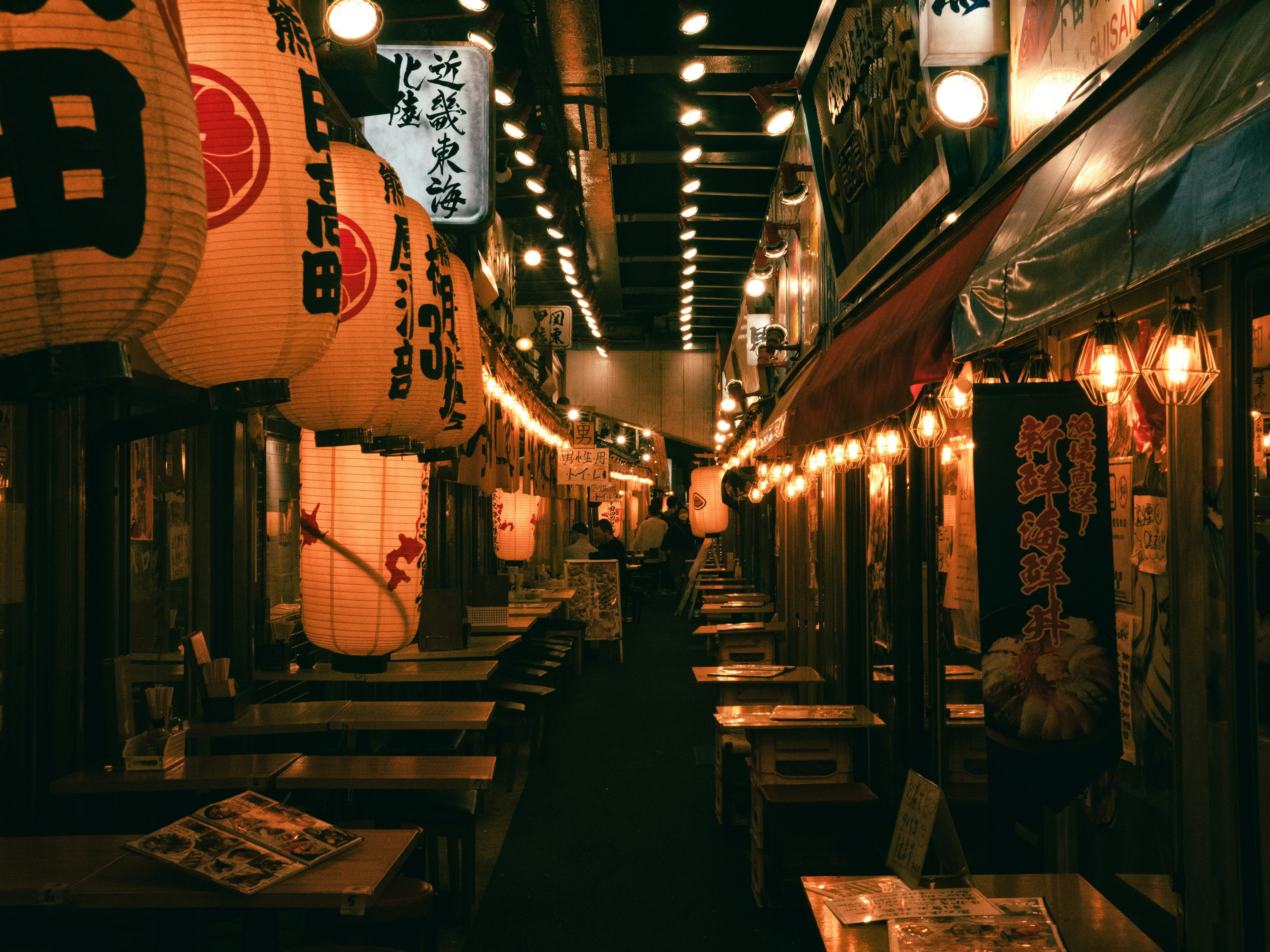
The reason Tokyo sightseeing values izakaya is that they are places where you can experience authentic local culture. The lively atmosphere and warm interactions—something you won’t find in upscale restaurants or chain stores—will become unforgettable memories of your trip. Izakaya serve as social hubs where you enjoy drinks with delicious dishes, soothe everyday fatigue, and deepen connections between people.
Especially in Tokyo, from traditional red-lantern joints to venues offering refined modern spaces, a wide variety of izakaya are packed together. It’s said that there are tens of thousands of izakaya in Tokyo alone, and this diversity never bores visitors.
It provides the following information.
- Knowledge of izakaya history and culture
- Smart ways to enjoy an izakaya and proper etiquette
- Six famous establishments in Tokyo
What is izakaya culture?
2.1. Definition and history of izakaya
The three kanji characters “居酒屋” mean “居 (to sit/stay)” + “酒 (alcohol)” + “屋 (shop),” literally indicating “a place where you can relax and drink.” Its origins go back to the Edo period, beginning when people started to “stay and drink” at the fronts of liquor shops.
Today, izakaya have evolved from simple liquor sellers into comprehensive eateries offering a wide variety of dishes. The biggest differences from bars and restaurants lie in their casualness, diversity of dishes, and their social role. Izakaya serve as venues for post-work “nommunication” (communication through drinking gatherings), playing an important role in contemporary Japanese society.
2.2. Atmosphere and types of izakaya
Part of the appeal of izakaya lies in their varied atmospheres.
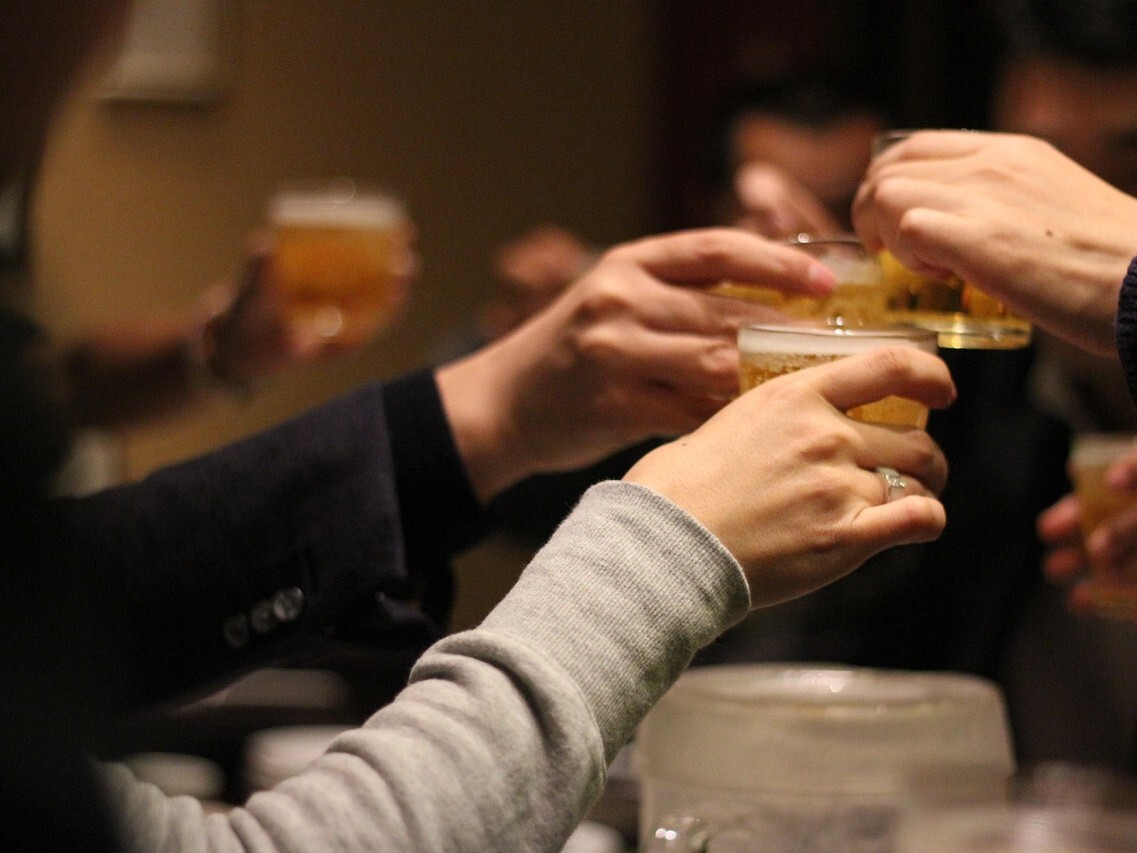
Traditional izakaya are marked by “red lanterns” and are often small, owner-operated shops. Inside, they brim with energy and offer a warm atmosphere where you can naturally mingle with locals. Conversations between regulars and the owner fly back and forth, evoking the charm of the Showa era.
Large chain establishments offer extensive menus with standardized pricing, so you can enjoy them without worrying about your budget. They’re convenient for large groups and provide spacious, modern, and clean environments. They’re especially recommended for first-time visitors and group outings.
A modern izakaya places great care in its dishes and interior design, characterized by a refined and stylish atmosphere. You can enjoy creative cuisine and unique menus featuring seasonal ingredients, making it suitable for dates and special occasions. It is a new style of izakaya that blends tradition and innovation.
Layouts vary by establishment, but there are mainly three types. Table seating is the most common and is suitable for groups. Zashiki (tatami) and horigotatsu offer a distinctly Japanese ambiance where you can relax and linger. However, when using zashiki you need to take off your shoes, so please note. Counter seats are popular with solo diners and offer a special place to enjoy conversation with the staff or the person next to you.
2.3. How to Enjoy an Izakaya and Manners
To fully enjoy an izakaya, it’s smart to know a few unspoken rules and manners.
- Otooshi (tsukidashi): When you are seated, a small appetizer is served before you order. This doubles as a cover charge and usually cannot be refused. The price is typically around 300 to 500 yen, with items like edamame or small dressed dishes.
- How to order: To call a staff member, raise your hand and say 「すみません」(Sumimasen). When it’s busy, you might use a gesture of crossing your index fingers (it can easily be mistaken for “the bill,” so be careful), and in recent years touch-panel ordering systems have also become common.
- Asking for recommendations: If you’re unsure, ask 「おすすめはなんですか?」(Osusume wa nan desuka?) and they will tell you about seasonal dishes and the restaurant’s specialties.
Manners and rules
About the glass exchange system: At many izakayas, the basic rule is to order your next drink after you’ve finished the current one. By confirming the glass is empty before providing a new drink, the system aims to improve guest satisfaction.
About the two-hour seating limit: Especially on weekends or during busy times, there may be a time limit of around two hours for the next guests. Staff will inform you in advance, so it’s reassuring to check.
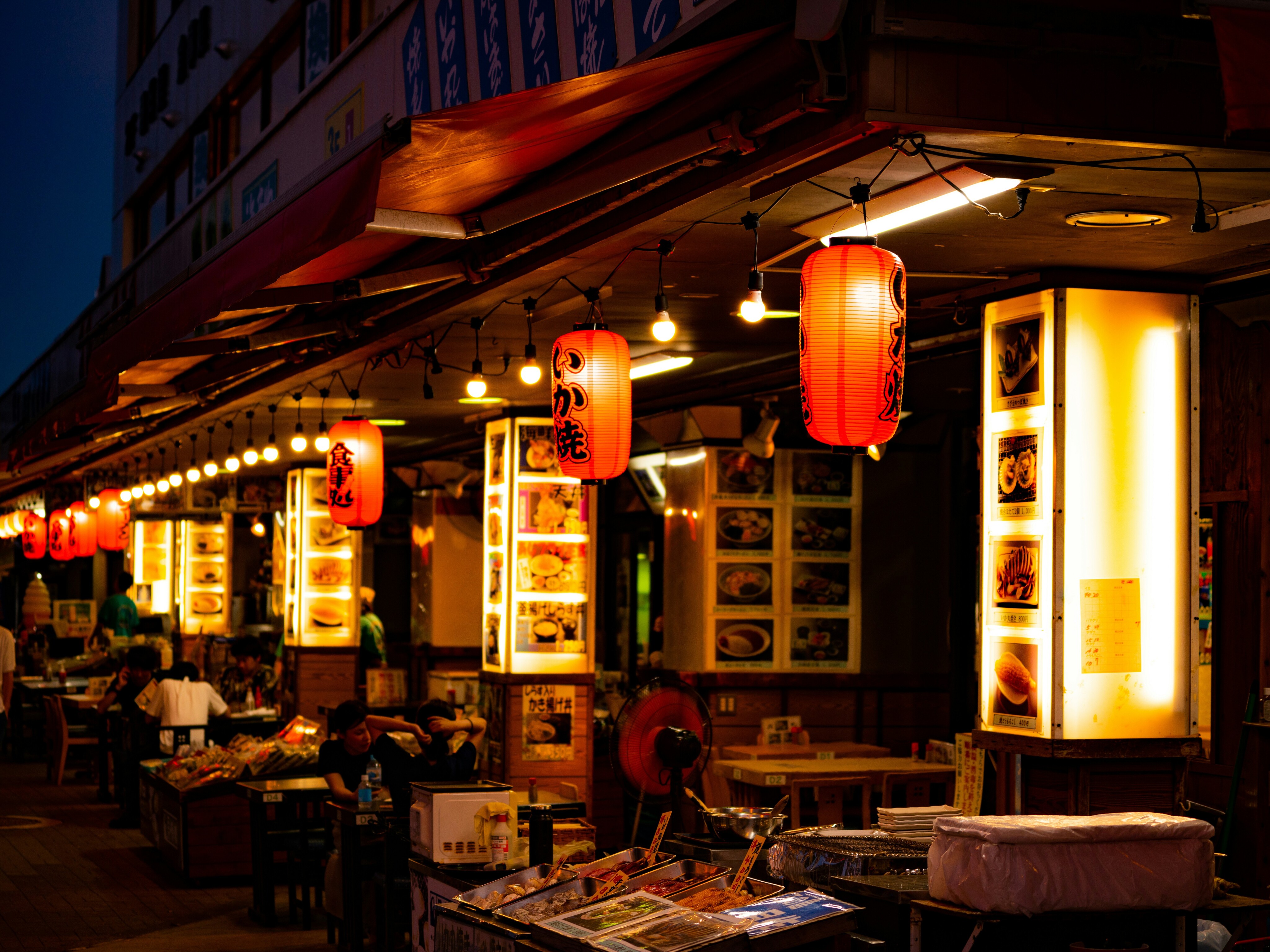
乾杯(かんぱい) culture: In Japanese izakaya, once everyone’s first drink has arrived, there is a ritual where everyone clinks glasses and says “Kanpai!” (Kanpai). This is an important custom to celebrate the start of the meal with everyone present. It is considered good manners to raise your glass high and make eye contact while toasting.
Pouring drinks for each other culture: One of the most important manners in Japanese izakaya culture. Pouring your own drink is considered impolite; by pouring for one another you show respect and build rapport. When someone’s glass is about to be empty, it’s polite to ask, “Shall I pour for you?” (O sosogi shimashou ka?).
Paying the bill: When you finish your meal, tell the staff, “Check, please” (O kaikei onegaishimasu). Depending on the place, you may have table payment (pay at your seat) or payment at the register, so follow the staff’s guidance.
Payment methods: Traditionally, cash was standard, but these days many places accept credit cards and QR code payments (PayPay, LINE Pay, etc.). However, small, privately run shops may be cash-only, so check in advance or carry some cash for peace of mind.
- 飲み放題(のみほうだい): An all-you-can-drink plan for a set time (2–3 hours) covering selected beverages. The fee is around 2,000–3,000 yen, recommended for those who drink a lot.
- ハッピーアワー: Drinks are discounted during early hours (e.g., 17:00–19:00).
- せんべろ: Literally “get tipsy for a thousand yen,” referring to places where you can enjoy yourself for around 1,000 yen. This concept is especially common in casual bars in areas like Shinbashi and Ueno.
- はしご酒: Bar-hopping culture—visiting multiple izakaya to enjoy each place’s atmosphere.
2.4. Standard menu
Drinks
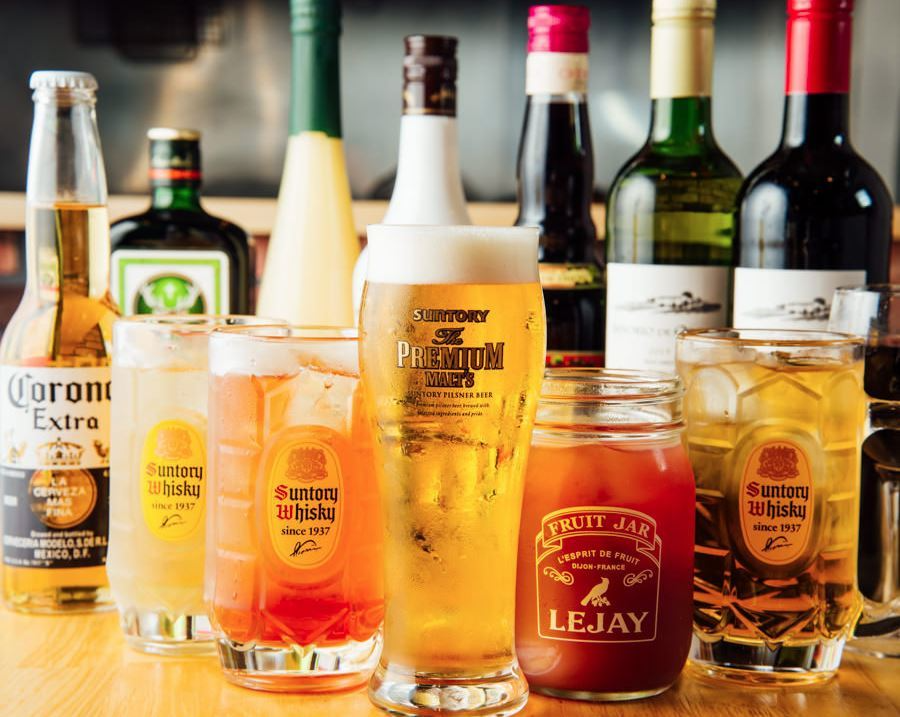
Beer: The quintessential choice at izakaya. There’s draft beer (fresh beer poured from a keg) and bottled beer (Asahi, Kirin, Sapporo, Suntory, etc.). In Japan, the phrase “For now, draft!” (start with a draft beer for the toast) is well known, so it’s often ordered as the first drink.
Japanese Alcohol: Sake is a traditional drink made from rice and can be enjoyed chilled, at room temperature, or warmed. Shochu is a distilled spirit made from sweet potato, barley, rice, etc., and you can choose how to drink it: with water, with hot water, or on the rocks (ice only). These drinks let you experience Japan’s traditions.
Sours & Highballs: Lemon sour is a refreshing drink made by mixing shochu with lemon juice and soda, especially popular in summer. A highball is whisky diluted with soda water, known for its clean, crisp taste. Both are easy to drink and pair well with many dishes, making them popular choices at izakaya.
Tokyo Specialty: Hoppy: A unique drink from downtown Tokyo that mixes a beer-flavored soft drink (Hoppy) with shochu. It’s lighter than beer and the alcohol level can be adjusted, making it ideal for long sessions. A glass that symbolizes Tokyo’s izakaya culture.
Soft Drinks: Even if you don’t drink alcohol, no worries. Oolong tea, green tea, orange juice, cola, and other common beverages are available. An izakaya is not a place that forces drinking, but a social space everyone can enjoy.
Food
Appetizers: Snacks to order first to go with your drinks. Edamame(えだまめ) are salted, boiled soybean pods—simple yet a classic everyone loves. Oshinko(おしんこ) are Japanese pickles with a refreshing taste, perfect as a palate cleanser. Hiyayakko(ひややっこ) is chilled tofu topped with condiments (scallions, ginger, katsuobushi, etc.), a healthy dish.
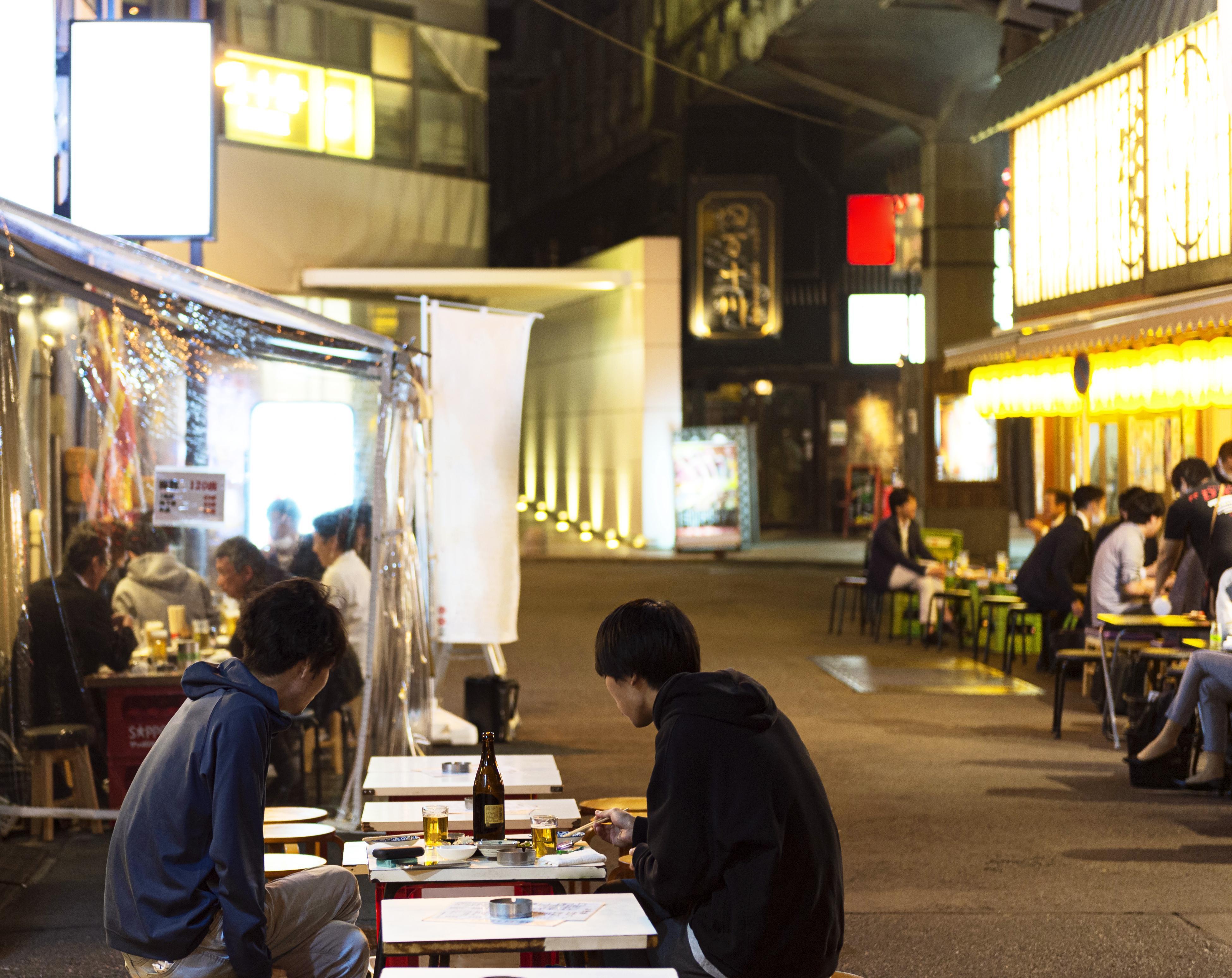
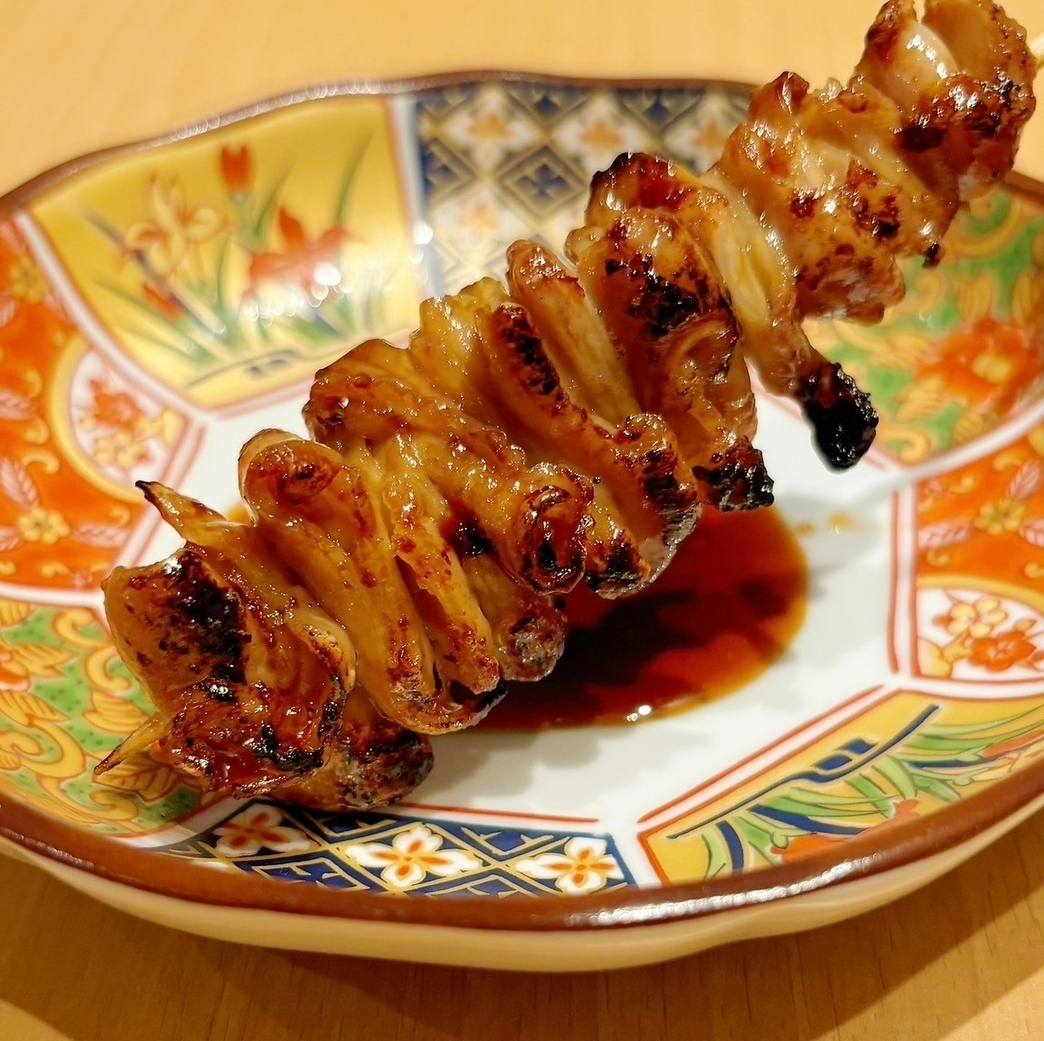
Grilled: Yakitori(やきとり) are skewers of chicken and vegetables grilled over charcoal, a signature izakaya item. You can choose tare (a sweet–savory soy-based sauce) or shio (simple salt). Cuts vary—thigh, skin, liver, tsukune (chicken meatballs), etc.—order to your preference. Kushiyaki refers to skewers of meats and vegetables other than chicken.
Fried: Karaage(からあげ) is Japanese-style fried chicken: crispy outside and juicy inside. Loved by all ages and an excellent match with beer. French fries are another staple, perfect when you’re a little hungry.
Classics: Dashimaki tamago(だしまきたまご) is a rolled omelet with dashi, featuring a fluffy texture and gentle flavor. Seasoning and cooking methods vary by restaurant, showcasing each place’s character. Potato salad is also an izakaya staple with a homestyle taste.
Challenge menu: Takowasa(raw octopus mixed with wasabi), Shiokara(a delicacy of salted and fermented squid innards), Natto(fermented soybeans), and more. These feature distinctive flavors and pair well with sake or shochu—recommended for advanced palates and for those eager to take on Japan’s food culture.
- Vegetarian/vegan options are still not very common at izakaya.
- Choose vegetable- or tofu-based dishes such as edamame, chilled tofu, or pickles.
- Dashi(fish-based stock)may be included, so we recommend checking in advance.
Must-try in Tokyo! 6 Recommended Izakaya
We’ve carefully selected six distinctive izakaya that light up Tokyo’s nights. From traditional taverns to modern, uniquely conceptual spots, find the one that perfectly suits your taste.
1. 牛込神楽坂 みずたん
A hidden retreat for yakitori and creative Japanese cuisine tucked away in Kagurazaka’s back alleys
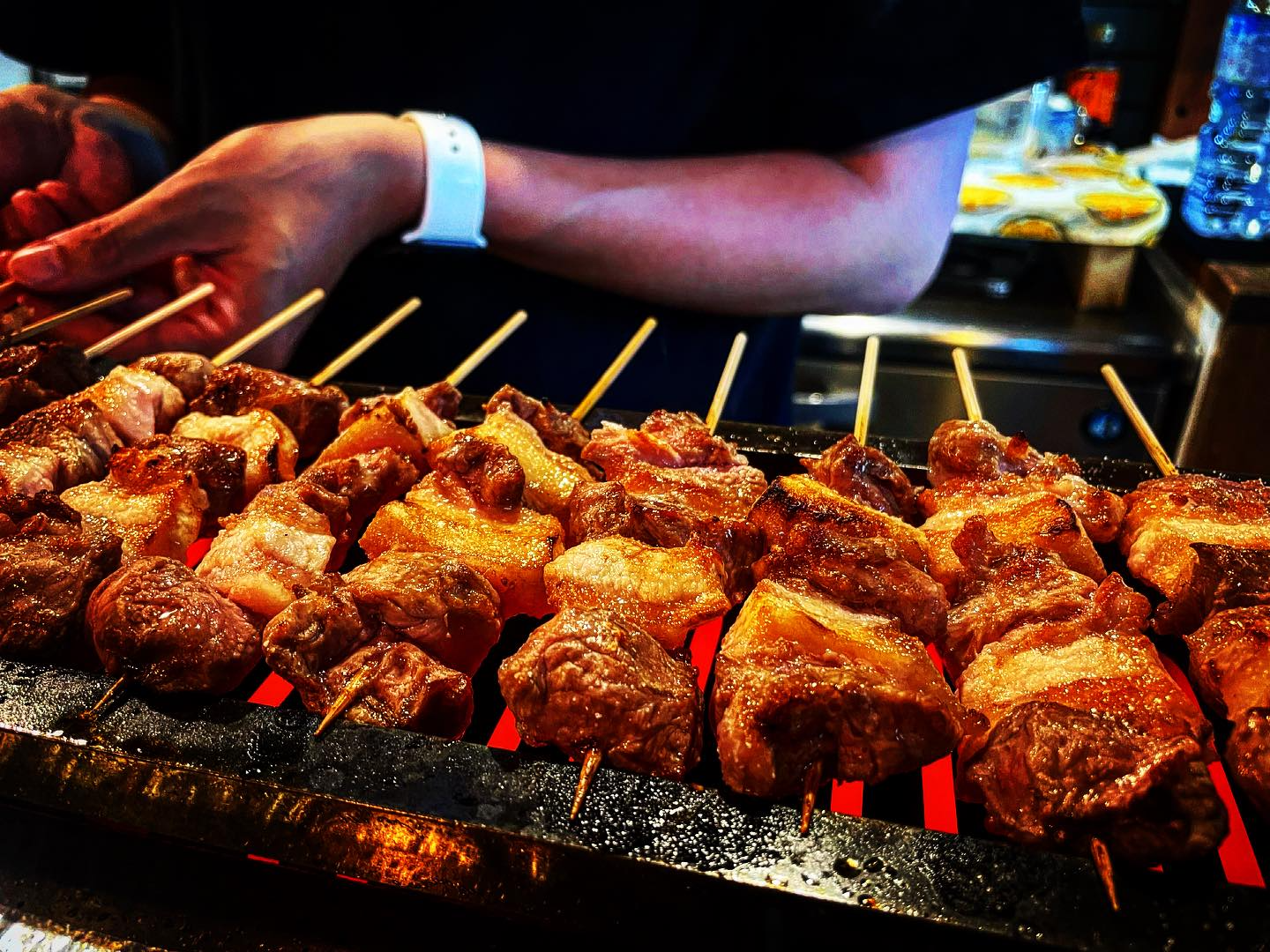
Located a little away from the bustle of Kagurazaka, “Mizutan” offers carefully crafted yakitori and creative Japanese cuisine in a calm, old-townhouse-style setting. Skewers made with fresh chicken and pork delivered directly from the Shibaura Market are grilled with care one by one, concentrating the ingredients’ natural flavors.
There is also terrace seating, allowing you to enjoy great drinks and dishes in an open, airy atmosphere. It’s a perfect spot for those who want to leisurely experience Japan’s izakaya culture after a stroll around Kagurazaka.
17:00–23:00 (L.O. 22:30)
Sunday: 14:00–21:00 (L.O. 20:30)
2. 馬喰町の酒場 とりすけ
A lively tavern famed for chicken dishes, boasting outstanding value for money
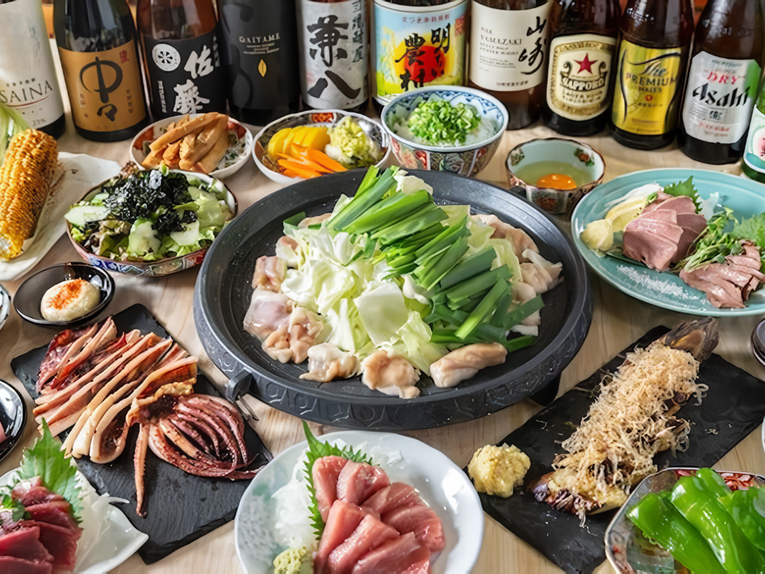
“とりすけ” is a casual pub specializing in chicken dishes, in a prime location right by Bakurocho Station. The reasonably priced menu pairs perfectly with drinks and features yakitori made with their signature “Daisen” chicken and heaping portions of fried chicken.
With 100 seats, the interior is spacious and always buzzing, attracting everyone from office workers after work to tourists. The lunch set meals are also popular, making it a place loved day and night. Especially recommended for those who prioritize value for money.
3. ビーフキッチンスタンド アパホテル上野店
Make steak a “snack”! A meat izakaya to enjoy at astonishingly low prices
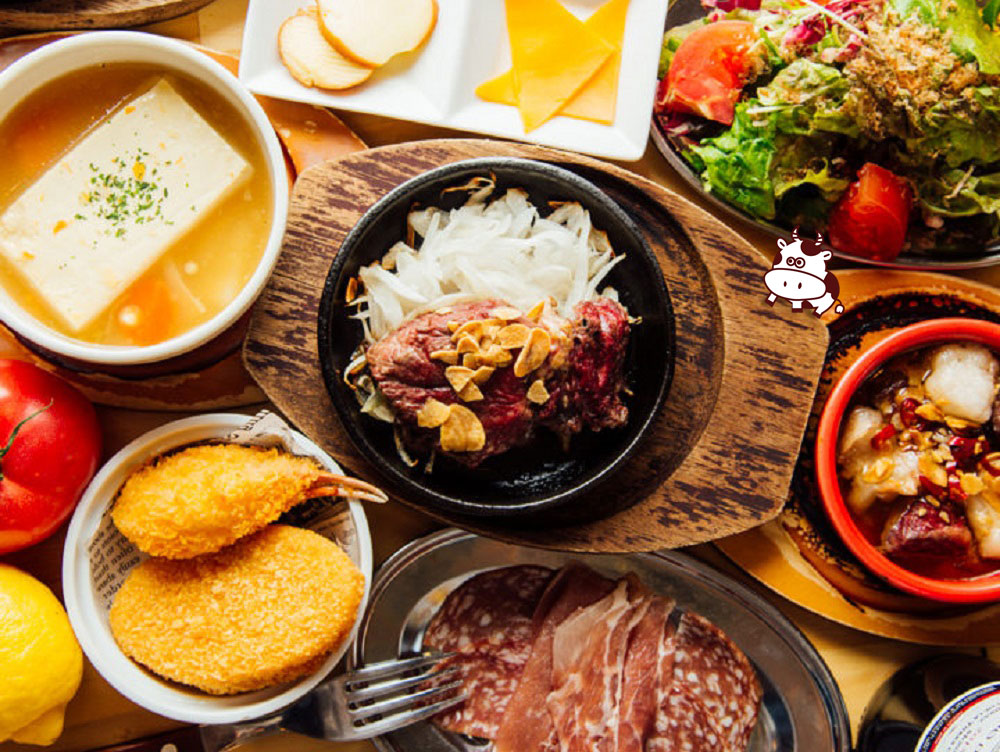
“ビーフキッチンスタンド” is a new-style meat izakaya where you can enjoy steak and hamburger steak as small-plate dishes (tapas). The signature “名物ビフテキ” starts at an astonishingly low ¥290 (before tax), letting you casually enjoy authentic meat dishes.
Located on the first floor of APA Hotel, its bright and casual atmosphere makes it easy to drop in for a solo drink or with female friends. Open from noon until late at night, it’s perfect for a quick drink between Ueno sightseeing. Enjoy a modern style that’s a little different from traditional izakayas.
4. 大衆酒場55 蒲田本店
Fresh grilled offal delivered direct from Shibaura, and a lively “Showa” atmosphere
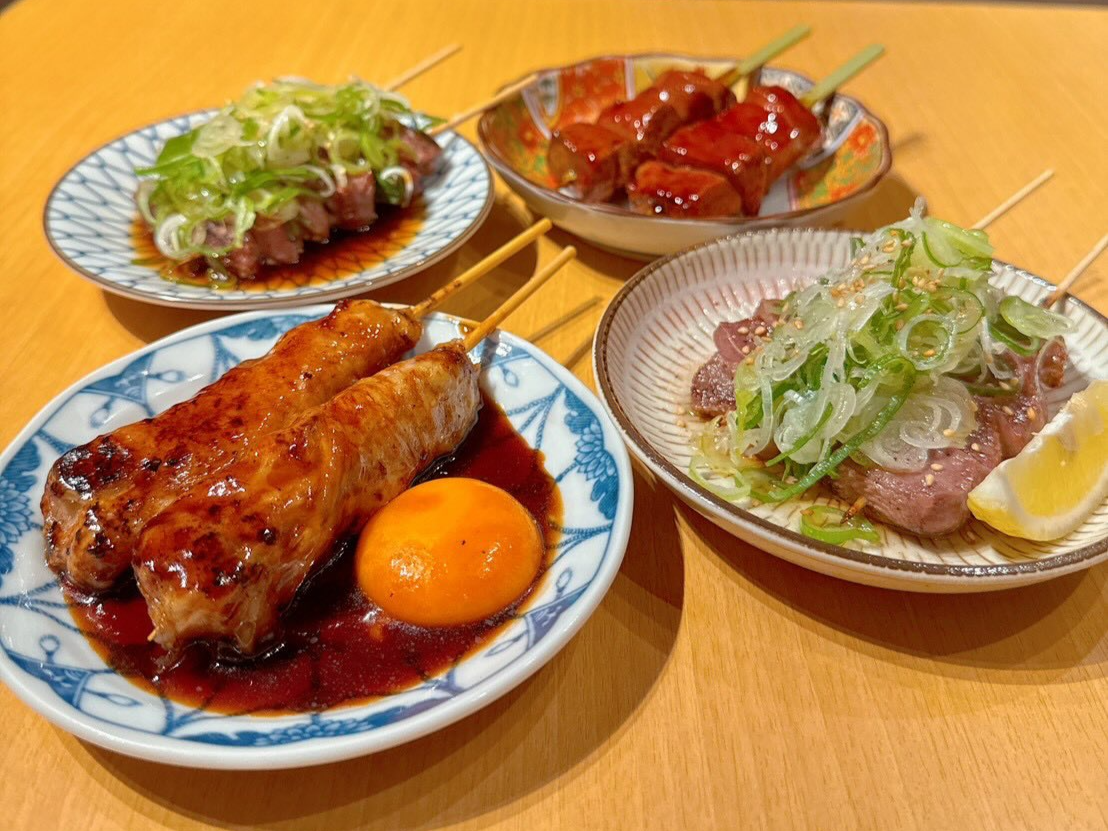
Near Kamata Station, "Taishu Sakaba 55" is an izakaya boasting grilled offal, suffused with a Showa-retro atmosphere. Fresh offal delivered daily from the Shibaura Market is grilled over charcoal by skilled craftsmen. The signature "motsu nikomi" (stewed offal) has a deeply rich, slow-simmered flavor and pairs perfectly with sake and shochu.
Open until late at night, it's an essential spot in Kamata and handy for a second or third stop. The interior bustling with local regulars offers a chance to experience authentic Tokyo izakaya culture, making it a great choice for travelers as well.
(L.O. 30 minutes before closing)
5. Shirokumaya (Sangenjaya)
An entire building turned into an izakaya! A neo-taishu pub with fun self-serve all-you-can-drink
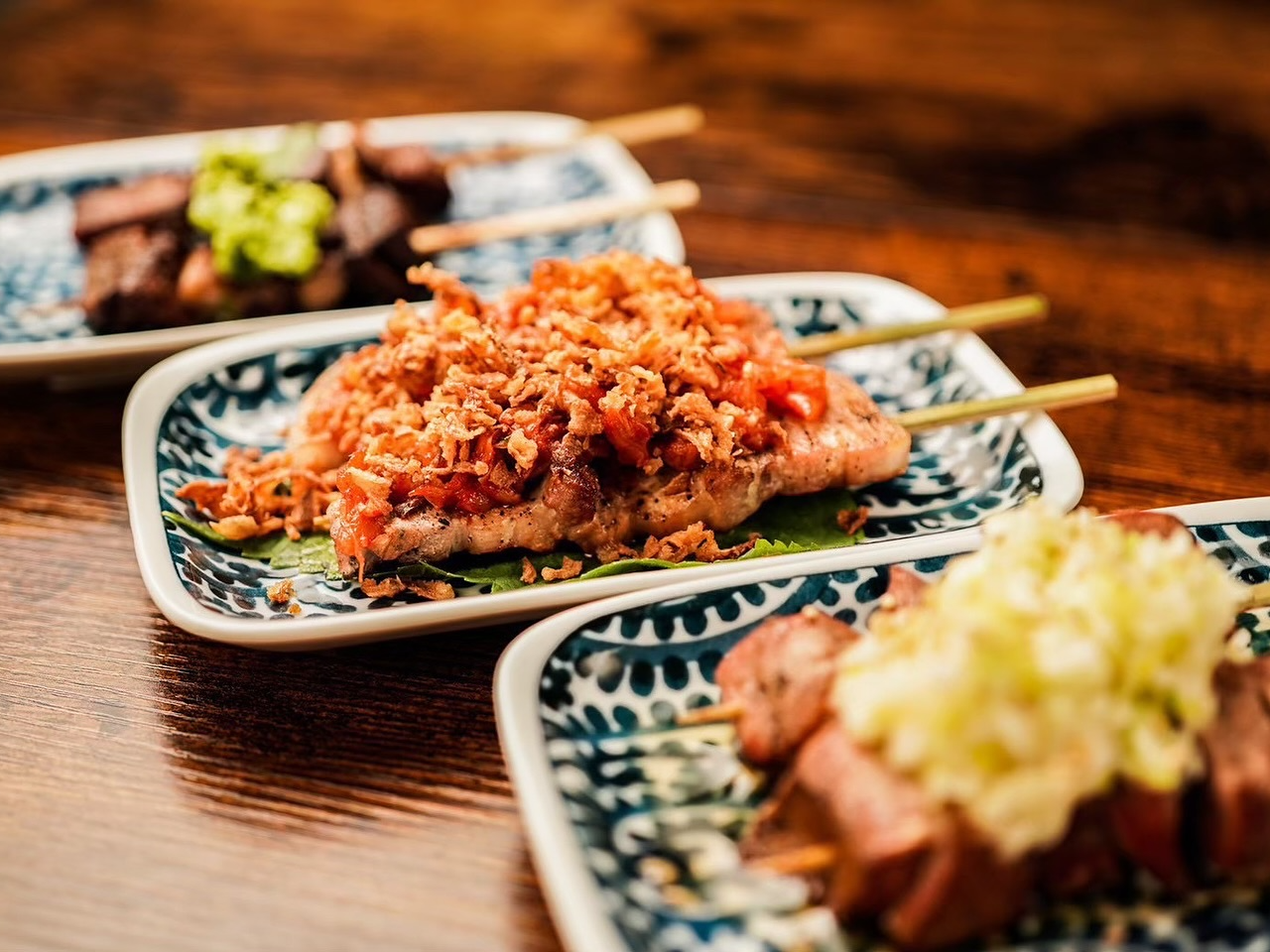
"Shirokumaya" in Sangenjaya is a unique izakaya that occupies an entire retro building. The 1st floor has a lively counter; the 2nd floor features tatami seating with self-serve all-you-can-drink; the 3rd floor offers private rooms—each level provides a different way to enjoy yourself.
With plenty of fresh grilled offal and an array of cute-looking sours, it’s especially popular among younger crowds. Its playful space lets you enjoy drinks in a free, casual style—that’s its biggest appeal. Perfect for groups of friends who want to have a lively time.
6. 加賀屋 浅草橋店
This is the quintessential Japanese izakaya! A mecca for "Nikomi" and "Hoppy"
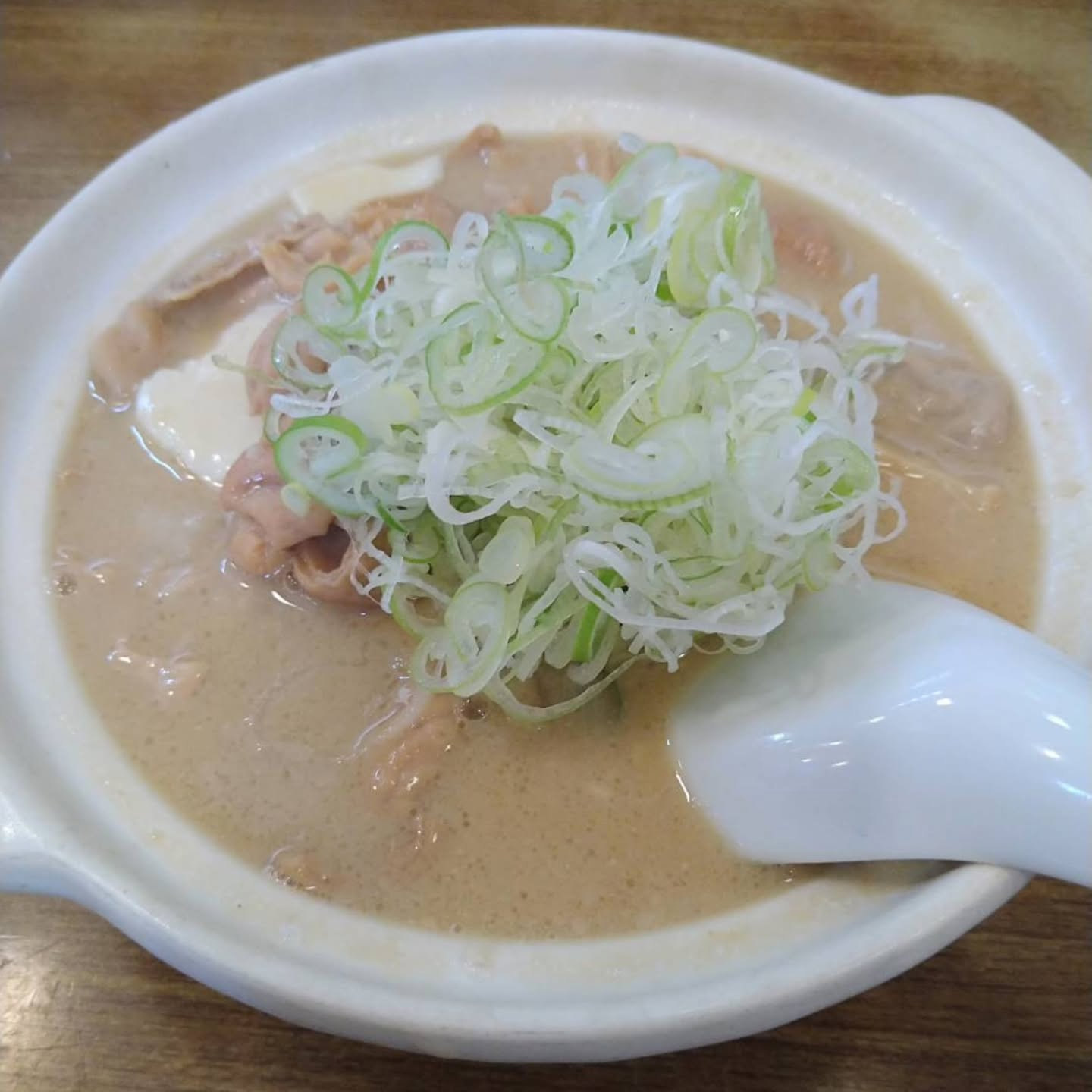
Just a 1-minute walk from the west exit of JR Asakusabashi Station, Kagaya is a lively, retro-style izakaya brimming with Showa-era charm. Their signature "motsuyaki" is carefully skewered daily and grilled to a fragrant finish with a secret sauce. Another flagship dish, "motsu nikomi," features a gentle white miso base that warms both body and soul. The bustling interior, filled with energetic staff and ever-smiling guests, is truly an "oasis for booze lovers".
Whether after work with colleagues, with close friends, or even on your own, you will always be warmly welcomed—it's a place overflowing with human warmth.
Frequently Asked Questions (Q&A)
To make your izakaya experience smoother, we've compiled frequently asked questions from tourists and their answers.
A:Absolutely.
Izakayas have a well-established solo-diner culture, and places with counter seating in particular welcome solo guests. Not only chain and modern izakayas, but even traditional taverns offer an "ichigo ichie" experience at the counter, where you can enjoy conversations with staff and regulars.
A:Hardly a problem.
Many izakayas, especially those in tourist-heavy areas, offer photo menus or touch panels with English and multilingual support. As communication tips, use translation apps (such as Google Lens) or memorize the handy phrases below to make things smoother.
「おすすめはなんですか?」(Osusume wa nan desu ka?):Ask for recommendations
「これをお願いします」(Kore o onegaishimasu):Order by pointing
A:It varies greatly depending on the type of izakaya, but as a guideline:
Affordable izakaya:2,000~3,000円(chain stores, senbero-style; ideal when you want to drink on the cheap)
Mid-range:3,000~5,000円(typical independent places; good balance of food quality and price)
High-end/modern:5,000円以上(creative cuisine, premium ingredients, refined atmosphere; for dates or business dinners)
A:Tipping is not necessary in Japan.
In izakaya, "otoshi" also serves as a seat charge, and service fees are generally included in the total amount. If you try to give a tip, it may confuse the staff, so please be careful.
A:At traditional izakaya, since dashi (seafood-based stock) is used in many dishes, it is currently difficult to fully accommodate vegetarian and vegan diets. However, vegan izakaya have appeared in recent years.
Countermeasure:Confirm in advance “だしは入っていますか?” (Dashi wa haitte imasu ka?), or choose lower-risk items such as edamame, pickles, and French fries.
A:The optimal time varies depending on your purpose.
Happy hour:17:00~19:00. Drinks are often discounted.
Peak time:19:00~21:00. It’s the most crowded, so popular places require reservations.
Late hours:After 21:00. Seats start opening up and you can relax.
A:Large chain restaurants often welcome families with children.
However, small traditional izakaya may have limited space and may allow smoking (declining due to Tokyo ordinances), so we recommend confirming by phone in advance. Also, when with children, it is considered good manners to leave before 20:00.
A:For popular places and on weekends (especially Friday night “華金”), reservations are strongly recommended.
You can make a reservation easily by phone, website, or gourmet apps (Tabelog, Hot Pepper, etc.).
A:Most izakaya have a casual, relaxed atmosphere.
There is no special dress code. However, at some upscale “kappo izakaya,” it’s safer to avoid overly casual attire.
A: Splitting the bill (warikan) is very common in Japanese culture.
If you say "割り勘でお願いします" (Warikan de onegaishimasu) when paying, the staff will often handle separate payments. However, at small places, it’s smoother to pay together first and then settle within the group.
Conclusion
An izakaya is not just a place to eat; it’s truly the "living room of Japan," where Japanese food culture and social culture are distilled. Sharing time with locals in the lively atmosphere is one of the deepest ways to experience Tokyo at night.
- Treat "お通し" as a seating charge.
- Always do the "乾杯" with the first drink.
- Pour drinks for others, not for yourself.
- Reservations are recommended during peak hours (19:00–21:00).
- No tipping.
With the knowledge and etiquette introduced in this article, head out into Tokyo’s nightlife. Delicious food and warm interactions will make your Japanese culture experience unforgettable.
So, at which izakaya will you say "かんぱい" tonight?
Be sure to share your wonderful experience on social media.